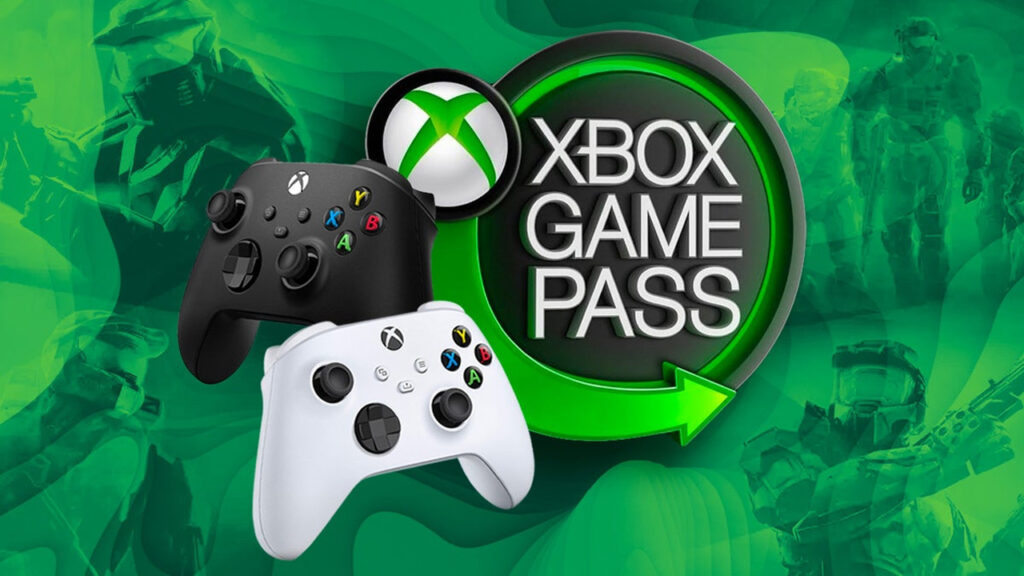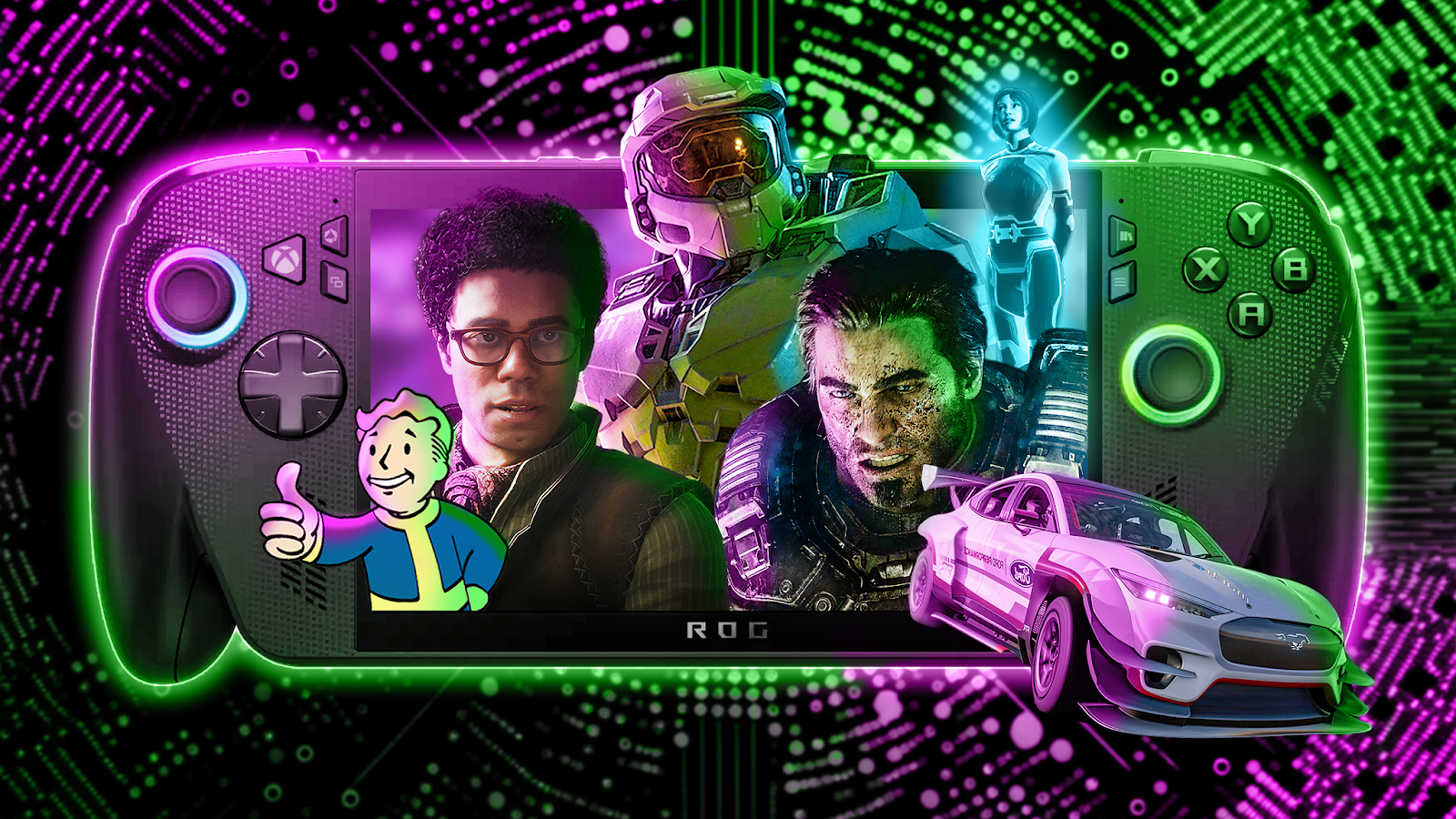
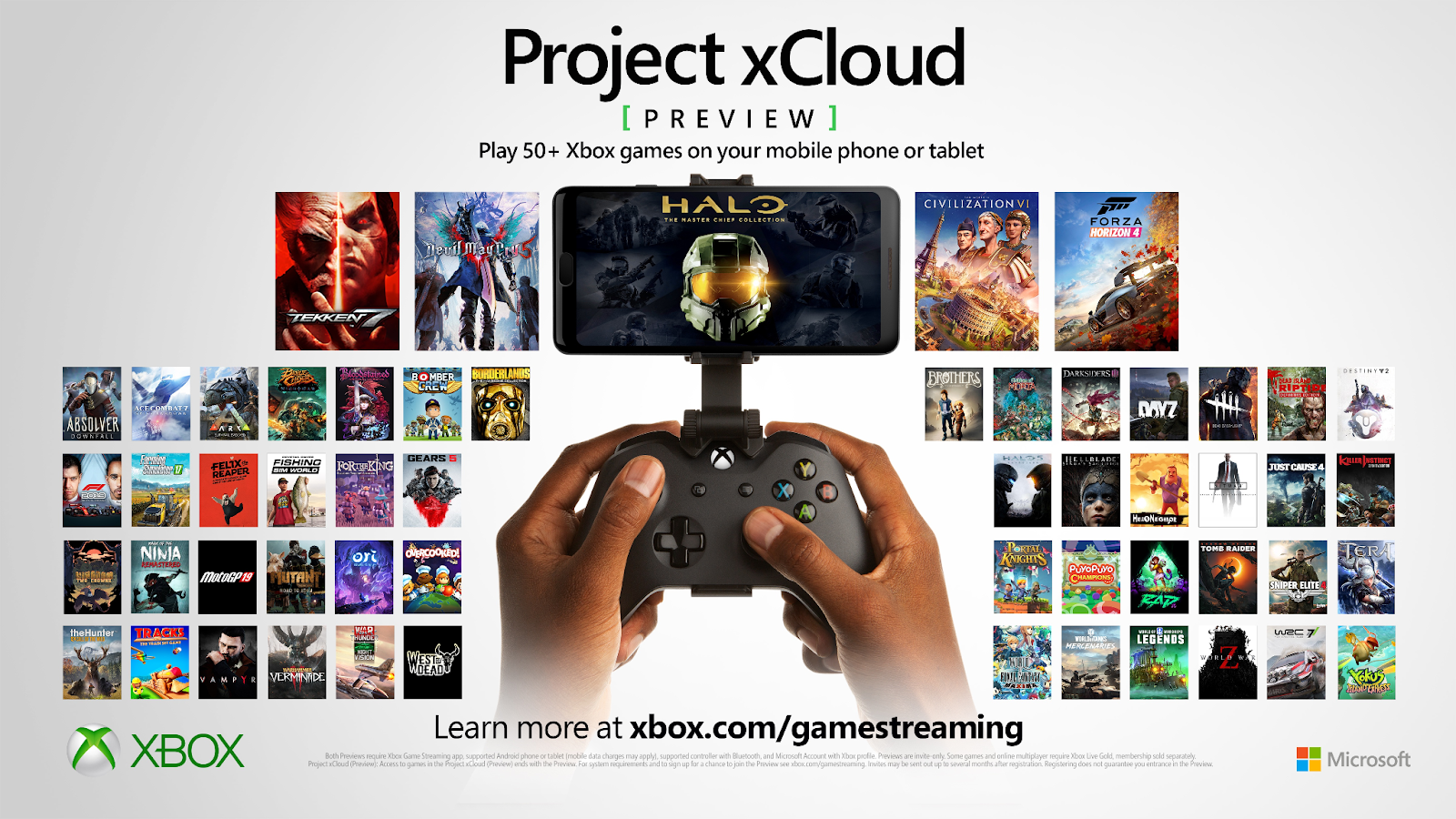
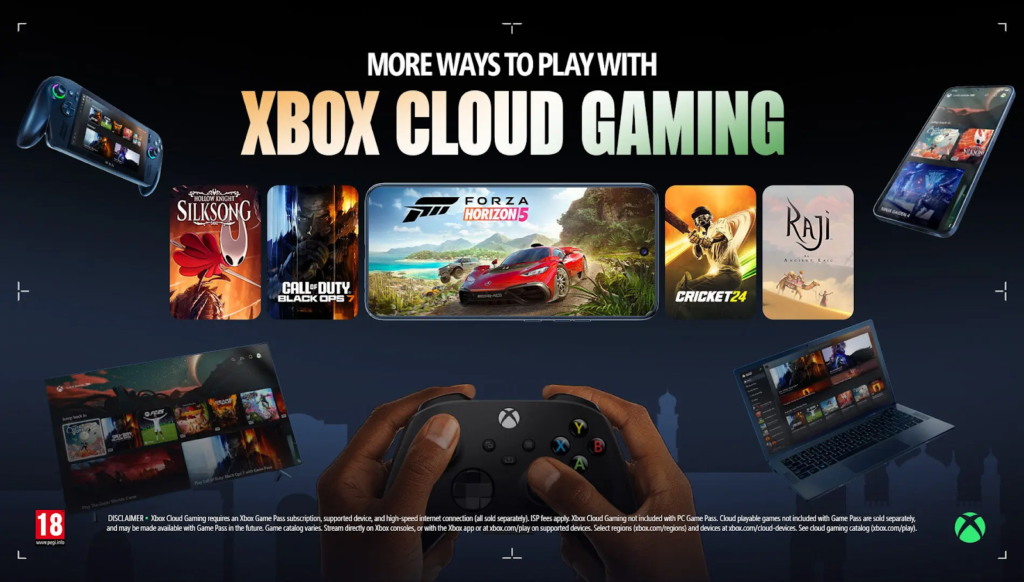
A newly surfaced Xbox Cloud Gaming leak has ignited intense debate across the gaming community, raising questions about the future of consoles, game ownership, and subscription-based play. The leak hints at a major expansion of cloud-first gaming within the Xbox ecosystem—potentially allowing players to stream owned games across more devices than ever before. Whether confirmed or not, the implications are impossible to ignore.
Why This Xbox Cloud Gaming Leak Spread Faster Than Any Before It
Gaming leaks are nothing new. Every year, rumors circulate about canceled games, surprise announcements, and unannounced hardware. Most disappear within hours. This one didn’t.
The Xbox Cloud Gaming leak exploded across the internet overnight because it touched something deeper than curiosity—it touched fear, excitement, and inevitability all at once.
Within a few hours, screenshots allegedly pulled from backend systems, developer strings, and internal naming references were being analyzed frame by frame on Reddit, X (formerly Twitter), and YouTube. Influencers paused scheduled content to discuss it. Discord servers lit up with speculation. Even players who normally ignore leaks took notice.
This wasn’t just another rumor. It felt like a glimpse into a future that many gamers suspected was coming—but didn’t expect to arrive so soon.
What the Xbox Cloud Gaming Leak Actually Claimed (Without the Noise)
Stripped of hype, exaggeration, and clickbait, the leak pointed to a significant expansion of Xbox Cloud Gaming capabilities, including:
- The ability to stream owned digital games, not just Game Pass titles
- Broader device support beyond current limitations
- Deeper integration with Xbox user libraries
- Reduced reliance on dedicated console hardware
No announcement confirmed these features. No official roadmap was revealed. But the terminology, architecture references, and internal naming conventions appeared consistent with Microsoft’s existing cloud ecosystem.
That consistency is why the leak gained credibility so quickly.
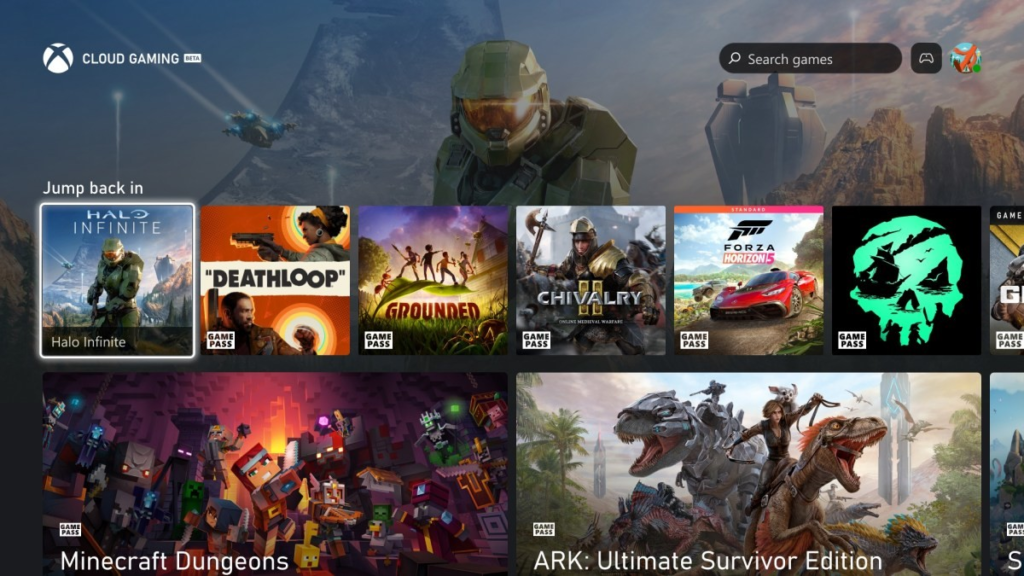
Why Xbox Cloud Gaming Was Already Under the Spotlight
The timing of this leak matters.
Xbox Cloud Gaming was already gaining traction quietly. While cloud gaming once felt like a novelty, it has become increasingly usable for everyday players—especially in the U.S., where broadband access continues to improve.
More players now:
- Own multiple devices
- Play in short sessions
- Value convenience over technical perfection
Xbox Cloud Gaming fits neatly into those habits. So when the leak suggested Xbox was preparing to push cloud gaming into the mainstream, it didn’t feel unrealistic. It felt logical.
Why This Leak Felt More Believable Than Past Cloud Gaming Rumors
Many cloud gaming rumors fail because they promise revolutions without foundations. This one didn’t.
Instead of claiming Xbox was abandoning consoles or eliminating downloads entirely, the leak suggested incremental but powerful changes—the kind large companies actually make.
That restraint made the leak more convincing.
Real-life parallel:
It felt like the moment when streaming quietly replaced cable—not overnight, but permanently.
How Social Media Turned a Leak Into an Overnight Frenzy
Once the information surfaced, the internet did what it always does—but faster than usual.
Within hours:
- Reddit threads reached the front page
- YouTube creators posted emergency analysis videos
- X (Twitter) hashtags trended globally
- Gaming news sites scrambled to contextualize
The speed wasn’t driven by excitement alone. It was driven by existential anxiety.
Gamers weren’t just asking, “Is this cool?”
They were asking, “What does this mean for how I play games?”
The Core Fear: Are Consoles Becoming Optional?
This question dominated the discussion.
For decades, gaming followed a familiar pattern:
Buy hardware → buy games → play locally.
Xbox Cloud Gaming already challenged that. This leak suggested Xbox might be preparing to break the dependency entirely.
If players can:
- Stream their purchased games
- Play on TVs, laptops, phones, and tablets
- Avoid constant hardware upgrades
Then consoles shift from required to optional.
That idea excites some players—and deeply unsettles others.
Why Microsoft Is Uniquely Positioned to Make This Work
Cloud gaming at scale requires more than ambition. It requires infrastructure.
Microsoft has advantages few competitors can match:
- Azure data centers across the globe
- Decades of enterprise cloud experience
- A subscription-first business model
- Ownership of major game studios and IP
This leak didn’t suggest Xbox was experimenting. It suggested Xbox was activating systems it already owns.
That’s why analysts and industry veterans paid attention.
How This Could Transform Xbox Game Pass Overnight
One of the biggest implications of the leak centers on Xbox Game Pass.
If players can stream owned games:
- Game Pass becomes a gateway, not a gatekeeper
- Subscription value increases without new licensing deals
- Player retention improves organically
Real-world example:
A player buys a game once and can instantly play it anywhere—no downloads, no storage limits, no updates.
At Xbox scale, that’s transformative.
Why Gamers Are Split Right Down the Middle
Reactions to the leak fell into two camps.
Players Who Loved the Idea
They see:
- Lower upfront costs
- Freedom from hardware cycles
- More flexible gaming lifestyles
To them, this leak represents progress.
Players Who Hated the Idea
They fear:
- Loss of ownership
- Always-online requirements
- The slow disappearance of physical media
To them, this leak feels like the beginning of the end.
Both reactions are rational—and that tension is why the story went viral.
Is Xbox Quietly Moving Toward a Cloud-First Identity?
Xbox executives have long said they want players to “play anywhere.”
This leak suggests that philosophy may be shifting from marketing language to core design principle.
That doesn’t mean:
- Consoles disappear
- Local gaming dies
- Physical media vanishes overnight
It does mean:
- Cloud becomes equal, not secondary
- Hardware becomes optional
- Access becomes the selling point
That’s a fundamental shift.
Why This Leak Matters More in the U.S. Market
The American gaming audience is uniquely positioned for cloud adoption.
U.S. players:
- Own multiple devices
- Are comfortable with subscriptions
- Frequently switch between console, PC, and mobile
Cloud gaming fits seamlessly into that lifestyle.
As broadband infrastructure continues to improve nationwide, the barriers to cloud gaming shrink even further.
This leak didn’t feel futuristic.
It felt imminent.
What Microsoft’s Silence Might Be Signaling
Microsoft has neither confirmed nor denied the leak.
In the gaming industry, silence is rarely accidental.
Companies typically move quickly to shut down false information—especially if it could harm brand perception or stock performance.
The lack of immediate denial suggests:
- The leak isn’t entirely false
- Or it reflects internal plans still in development
Either way, the silence added fuel to the fire.
What This Could Mean for PlayStation and the Industry
If Xbox aggressively expands cloud gaming:
- Competitors will feel pressure to respond
- Subscription strategies will accelerate
- Hardware differentiation becomes harder
This isn’t just an Xbox story.
It’s an industry story.
Xbox may simply be the first to fully commit.
Practical Takeaways for Gamers Right Now
While nothing is official yet, this leak offers important lessons:
- Pay attention to cloud features when buying games
- Think about flexibility, not just ownership
- Understand how subscriptions shape access
The future may arrive gradually—but it’s clearly approaching.
Natural Search Questions Americans Are Asking
This topic directly aligns with trending queries such as:
- What was the Xbox Cloud Gaming leak?
- Is Xbox going cloud-only?
- Can you stream owned Xbox games?
- Is Xbox Cloud Gaming replacing consoles?
- Is cloud gaming finally ready?
10 Frequently Asked Questions (FAQs)
1. What exactly leaked about Xbox Cloud Gaming?
The leak suggested expanded cloud streaming, including the ability to stream owned games and play on more devices.
2. Has Microsoft confirmed the leak?
No official confirmation or denial has been issued.
3. Does this mean Xbox consoles are ending?
No. Consoles may become optional, not obsolete.
4. Will this replace traditional downloads?
No, local downloads are still expected to remain available.
5. Will Xbox Game Pass change because of this?
Game Pass value could increase, but no pricing changes were indicated.
6. Is cloud gaming reliable enough yet?
For many U.S. players, yes—though internet quality still matters.
7. Will physical games disappear?
Not immediately, but digital dominance will continue to grow.
8. Can PlayStation do something similar?
Technically yes, but Microsoft’s infrastructure gives Xbox an edge.
9. When could this launch if it’s real?
If accurate, rollout would likely be gradual rather than sudden.
10. Should gamers be worried?
No—but staying informed is wise.
Why This Leak Feels Like a Genuine Turning Point
This wasn’t a flashy rumor about a secret console or canceled game.
It was quieter. More plausible. More disruptive.
Because it suggested Xbox isn’t chasing the future anymore—it’s preparing to normalize it.
Once a future becomes normal, it’s almost impossible to reverse.
Final Thoughts: Why the Internet’s Reaction Makes Perfect Sense
The internet didn’t break because of hype.
It broke because players recognized something inevitable drawing closer.
Whether this leak proves entirely accurate or not, it revealed a deeper truth:
Cloud-first gaming no longer feels experimental—it feels pending.
And when a future feels pending, people react.