Xbox Game Pass is quietly undergoing one of its most significant transformations yet. Without a major announcement, Microsoft has begun reshaping pricing value, content rotation, cloud gaming priorities, and long-term strategy. This in-depth analysis explains what changed, why fans are divided, how developers are responding, and what this evolution means for the future of subscription-based gaming.
Introduction: Why Xbox Game Pass Suddenly Feels Different
For nearly a decade, Xbox Game Pass has been the gold standard of gaming subscriptions. It changed how people discover games, how developers launch titles, and how gamers think about ownership. At its peak, Game Pass felt almost unbeatable—hundreds of games, day-one exclusives, cloud access, and constant updates for a single monthly fee.
That’s why something feels off right now.
There was no dramatic announcement. No headline-grabbing price hike. No bold rebrand. Yet longtime subscribers are noticing subtle but undeniable changes in how Game Pass works, what it offers, and how it feels to use.
Across Reddit, YouTube, and social media, the same question keeps appearing:
“Is Xbox Game Pass changing—and not in a good way?”
This article breaks down the Xbox Game Pass shakeup nobody saw coming, separating perception from reality, and explaining what this evolution means for gamers, developers, and the future of digital subscriptions.
What Is the Xbox Game Pass Shakeup?
The “shakeup” isn’t a single decision—it’s a strategic recalibration.
Microsoft appears to be adjusting Game Pass to make it more sustainable, more scalable, and more aligned with its long-term cloud-first vision. That recalibration is affecting:
- How long games stay on the service
- Which types of games are prioritized
- How value is perceived by different types of players
- How cloud gaming fits into the subscription
Individually, these changes are understandable. Collectively, they feel disruptive.
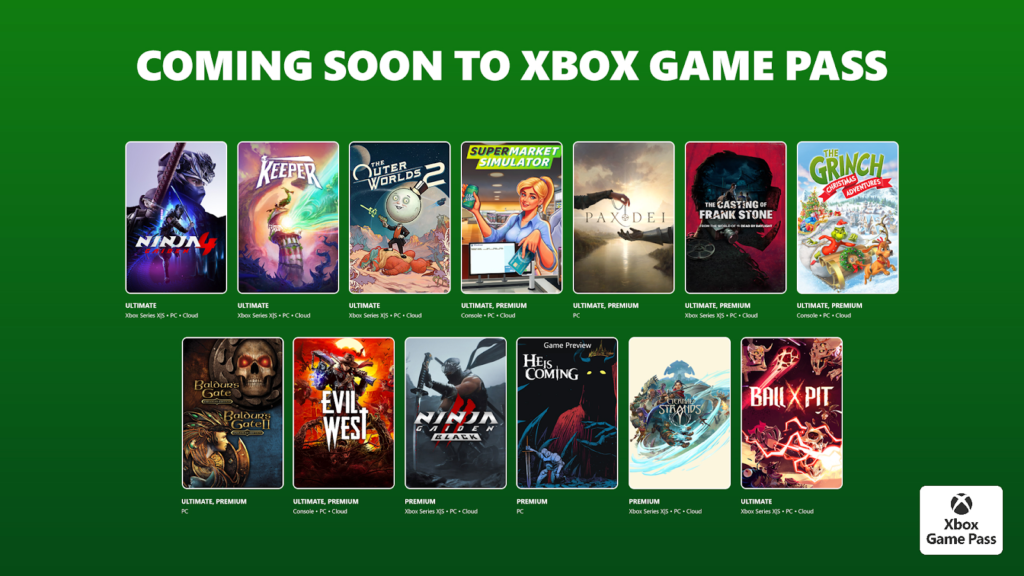
Why Didn’t Gamers See This Coming?
Game Pass Was Built on Unprecedented Generosity
From the beginning, Game Pass wasn’t just competitive—it was aggressive. Microsoft spent billions acquiring studios and licensing content to build goodwill and market dominance.
Day-one releases like Forza Horizon 5, Halo Infinite, Starfield, and Hi-Fi Rush created a perception that Game Pass was an unbeatable deal that would only get better.
But industry analysts quietly warned: this model couldn’t remain this generous forever.
Players didn’t want to believe that—and for years, they didn’t have to.
Is Xbox Game Pass Becoming More Expensive Without Raising Prices?
The Value Shift Players Are Feeling
While the monthly price hasn’t skyrocketed, many users feel they’re paying the same for less perceived value.
Here’s why:
- Popular third-party games rotate out faster
- Fewer “evergreen” titles stay long-term
- Backlogs feel riskier to maintain
For some players, the pressure to play games before they leave undermines the relaxed freedom Game Pass once offered.
A Real-Life Example Most Gamers Relate To
Imagine a working adult gamer who plays on weekends. They download a critically acclaimed RPG, planning to play it slowly over several months. Suddenly, the game is announced as “leaving soon.”
Instead of enjoyment, the player feels urgency—or frustration.
That emotional shift matters.
Why Are Games Leaving Xbox Game Pass More Often?
The Business Reality Behind Game Rotation
Third-party games on Game Pass are governed by licensing agreements. These deals are influenced by:
- Publisher demand
- Engagement metrics
- Marketing goals
- Opportunity cost
As Game Pass grew, publishers gained leverage. Many no longer need long stays to gain visibility, leading to shorter contracts.
From Microsoft’s perspective, rotating content keeps the catalog fresh. From a player’s perspective, it feels unstable.
Is Xbox Shifting Game Pass Toward First-Party Dominance?
Follow the Studios
Microsoft now owns a massive portfolio of studios, including:
- Bethesda
- Activision Blizzard
- Obsidian
- Playground Games
- Ninja Theory
First-party games are cheaper to keep on Game Pass permanently and reinforce ecosystem loyalty.
As a result, players are seeing:
- Stronger promotion of Xbox-owned franchises
- Less reliance on expensive third-party deals
- A more curated identity for the service
This isn’t inherently bad—but it changes expectations.
Cloud Gaming: The Silent Driver of the Shakeup
Why Cloud Gaming Changes Everything
Cloud gaming allows Xbox to reach users beyond consoles—phones, tablets, smart TVs, and low-end PCs. That reach is crucial for growth.
But cloud infrastructure is expensive.
To justify that cost, Microsoft must optimize:
- Engagement
- Session length
- Subscription tiers
That’s why cloud gaming feels increasingly central to Game Pass strategy—and why some fans worry about future restrictions.
Why Players Are Nervous
Even without official announcements, gamers fear:
- Tiered cloud access
- Performance prioritization for premium users
- Ads or time limits for lower tiers
In modern gaming culture, fear of future monetization is almost as powerful as monetization itself.
Subscription Fatigue: Are Gamers Reaching a Breaking Point?
Across entertainment, subscriptions are piling up—streaming, music, software, and now games.
Game Pass once felt like the solution to subscription fatigue. Now, some players feel:
- Overwhelmed by rotating libraries
- Detached from ownership
- Pressured to “keep up”
This psychological shift is subtle—but significant.
How Developers Feel About the Game Pass Evolution
Not All Studios Benefit Equally
Smaller studios often praise Game Pass for discoverability and guaranteed revenue. For them, the service can be a lifeline.
Larger publishers, however, may prefer:
- Full-price sales
- DLC monetization
- Premium launch strategies
This divide shapes which games appear on Game Pass—and for how long.
Is the Game Pass Shakeup Actually Necessary?
From a business standpoint, yes.
Microsoft must balance:
- Long-term sustainability
- Publisher relationships
- Infrastructure costs
- Investor expectations
The challenge is evolving without eroding trust.
How Gamers Can Adapt to the New Game Pass Reality
If you’re a subscriber navigating this shift, practical strategies help:
- Prioritize “leaving soon” titles
- Use Game Pass as a discovery tool
- Purchase favorites before removal
- Combine subscriptions with selective ownership
Reframing expectations restores value.
What This Shakeup Means for the Future of Gaming
Game Pass is still industry-leading—but no longer experimental.
The future likely includes:
- More refined subscription tiers
- Heavier first-party emphasis
- Smarter content rotation
- Deeper cloud integration
The era of unlimited generosity is ending—but the era of smarter subscriptions is just beginning.
Frequently Asked Questions (Trending Search Queries)
1. What is the Xbox Game Pass shakeup?
It refers to recent strategic changes in content rotation, value perception, and service priorities.
2. Is Xbox Game Pass getting worse?
Not worse—just different. The value now depends more on how actively you use it.
3. Why do games leave Game Pass so quickly?
Licensing costs and publisher strategies drive shorter contracts.
4. Is Game Pass still worth it in the US?
Yes, especially for active gamers who try many titles.
5. Is Xbox focusing more on first-party games?
Yes. First-party content is becoming the backbone of the service.
6. Will Game Pass prices increase?
No major hike is confirmed, but value adjustments are happening.
7. Is cloud gaming changing Game Pass?
Yes. Cloud access is increasingly central to Xbox’s strategy.
8. Are developers happy with Game Pass?
Opinions vary by studio size and business model.
9. Should I buy games instead of relying only on Game Pass?
Many gamers now mix subscriptions with ownership.
10. Is this the future of gaming subscriptions?
Yes. Game Pass is shaping the entire industry’s direction.
Final Thoughts: A Wake-Up Call, Not a Collapse
The Xbox Game Pass shakeup isn’t a failure—it’s a transition.
Microsoft is moving from aggressive growth to long-term sustainability. For players, that requires adjusting expectations. For Xbox, it requires rebuilding trust through transparency.
Game Pass is still powerful. Still influential. Still valuable.
But it’s no longer effortless.
And that realization is what truly caught gamers off guard.