
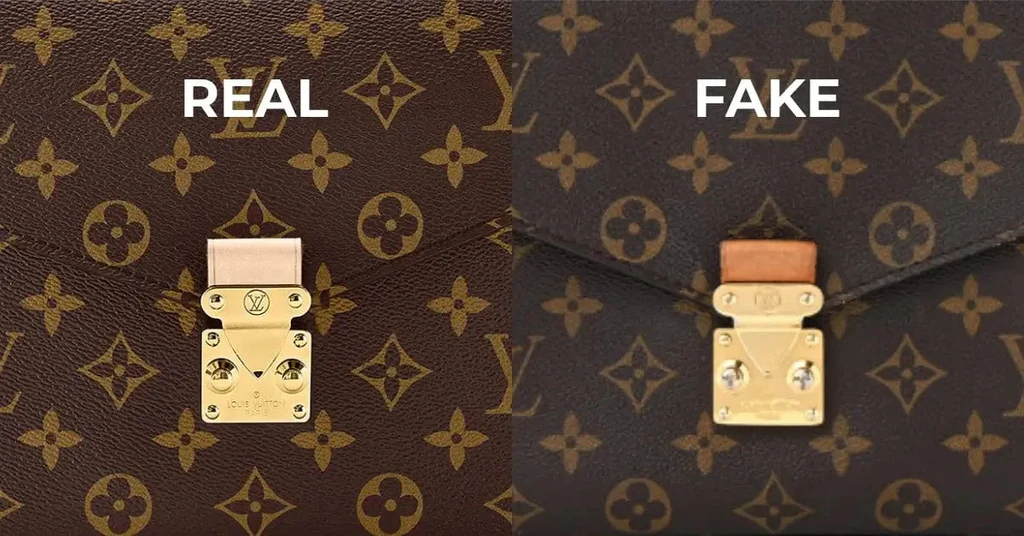
This article reveals the key indicators that distinguish original branded products from high-quality replicas and counterfeits. We examine quality markers, manufacturing standards, material differences, packaging cues, and retail seller behavior. Real-world examples help readers avoid counterfeit purchases, empowering them to identify authenticity before spending.
Why This Topic Matters More Than Ever
Counterfeit products are no longer cheap imitations sold on sidewalks. Today:
- Fake sneakers look almost identical to real ones
- Imitation watches mimic luxury precision
- Replica electronics mirror brand design
- Fake designer bags match stitching and texture
- Knock-off perfumes even attempt scent duplication
According to the U.S. Chamber of Commerce, counterfeit goods account for over $500 billion of global economic impact annually — half a trillion dollars affecting brands and consumers.
Americans are increasingly asking:
- How can I tell if a product is fake?
- What clues do originals have that copies lack?
- Are replicas always easy to spot?
- Can sellers fool even smart buyers?
- Is the price the main giveaway?
Let’s dig into the signs.
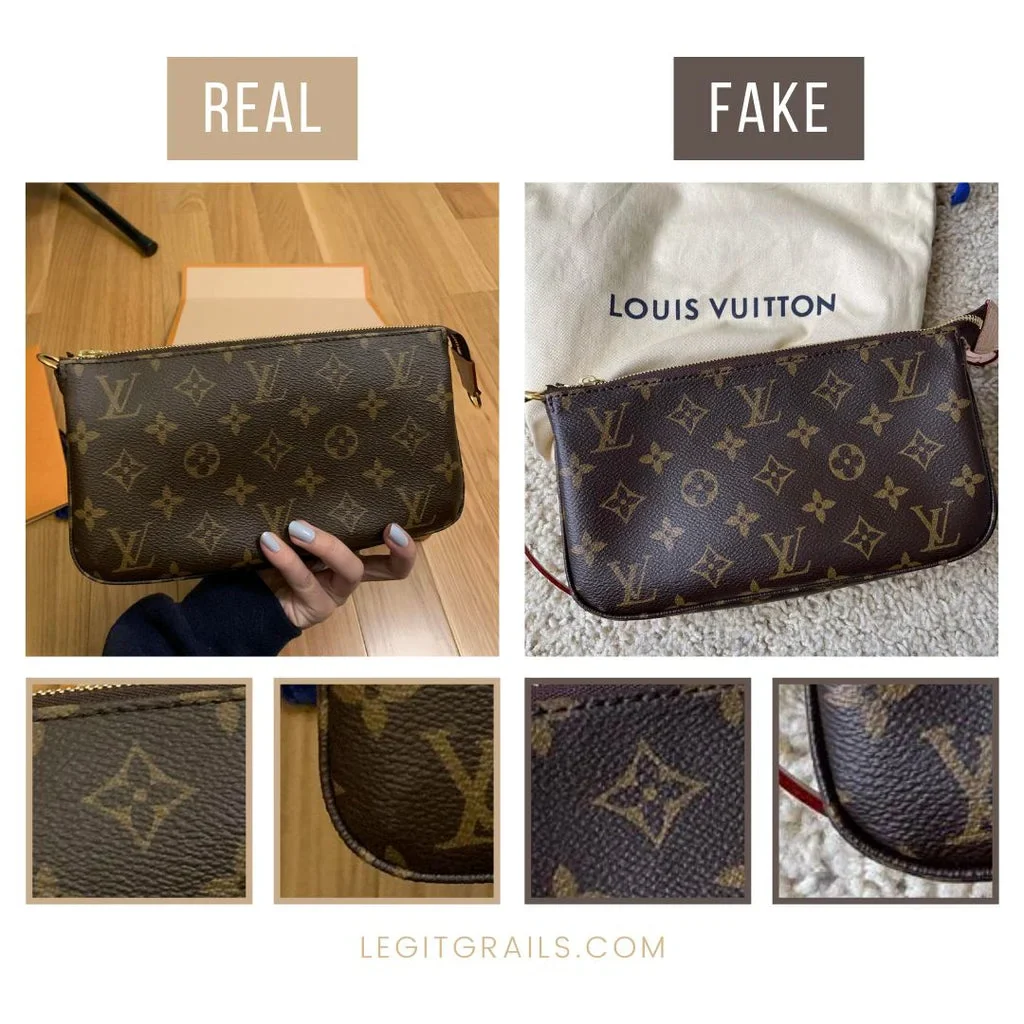
SIGN #1 – Original Items Have Consistent Material Quality
Counterfeits increasingly LOOK similar —
but rarely FEEL similar.
Original products use:
- premium textiles
- certified metals
- proprietary materials
- tested synthetics
- durability-proven components
Whereas fakes often:
- feel lighter
- feel cheaper
- stretch more
- warp faster
- wrinkle differently
Real-life example:
A genuine $120 Nike hoodie feels weighted, structured, reinforced.
A fake copy feels thin and polyester-light.
SIGN #2 – Originals Have Clean, Precise Stitching & Construction
Craftsmanship reveals authenticity.
Originals typically display:
- symmetrical stitching
- straight lines
- reinforced stress areas
- uniform thread color
Copies often reveal:
- loose threads
- inconsistent spacing
- mismatched color tone
- uneven sewing
Even if the pattern matches visually, the construction reveals its truth.
SIGN #3 – Branding, Labels & Trademarks Are Flawless on Originals
Counterfeiters can fake logos —
but rarely with perfect font, spacing, typography fidelity.
Original branding features:
- exact font weight
- pixel-perfect alignment
- holographic tags or authenticity seals
- trademark symbols (®, ™) placed precisely
Copies may have:
- slightly off logos
- wrong letter proportions
- misplaced trademark symbols
- dull vs reflective brand stamps
This is one of the easiest authenticity signals.
SIGN #4 – Packaging of Originals Is Premium & Specific
Brands invest in packaging quality.
Original packaging often uses:
- embossed print
- UV-coating
- custom-cut interior compartments
- foil accents
- NFC/RFID certification tags
Copies often cheap out:
- generic boxes
- low-resolution print
- poor-quality cardboard
- sloppy design
If the packaging seems “almost right”
but not perfectly right — it’s likely a replica.
SIGN #5 – Original Serial Numbers, Barcodes & Authenticity Codes WORK
When scanned or input:
- original codes validate
- redirect to official brand database
- confirm product origin
Many replicas now include fake codes —
but they don’t resolve into genuine verification systems.
Tip:
If a seller prevents you from verifying a code — it’s a red flag.
SIGN #6 – Originals Have Brand-Approved Seller Channels
Legitimate products are sold by:
- official retailers
- authorized distributors
- branded online stores
- certified partners
Copies appear through:
- pop-up sellers
- suspicious online listings
- marketplaces with zero seller history
- street vendors
- too-good-to-be-true deals
Hard truth:
If someone is selling a $350 item for $45 — it’s not “discounted.” It’s deceptive.
SIGN #7 – Real Products Age Gracefully — Copies Deteriorate Quickly
One of the strongest signals comes with time.
Originals remain:
- color-stable
- structurally intact
- wear-resistant
- functionally reliable
Replicas degrade:
- rapid fading
- peeling edges
- cracking surfaces
- stitch separation
This is especially true with:
- leather goods
- footwear
- electronics
- bags
- apparel
SIGN #8 – Originals Feel Balanced & Engineered
Real products are ergonomically tested.
Examples:
- a real iPhone feels solid and weight-balanced
- a real Rolex feels precision-weighted
- authentic luxury bag handles don’t collapse
- original headphones feel sturdy
Replicas feel:
- hollow
- unevenly weighted
- overly stiff
- suspiciously light
Your hands can sense authenticity before your eyes do.
SIGN #9 – Original Colors & Finishes Are Consistent
Brand manufacturers use:
- color-matched palettes
- standardized paint codes
- controlled dye processes
Copies often have:
- shade mismatch
- uneven surface reflection
- off-tone hues
For example:
Original Apple white isn’t pure white — it has a slightly ivory undertone.
Replicas often go stark white — too bright, too clean.
SIGN #10 – The Price Tells a Story
Americans often ask:
“Is the price the biggest giveaway?”
Yes — and no.
Because:
- counterfeiters often price copies at 70–80% of original
- to simulate legitimacy
Example:
Original: $299
Copy: $219
People think: “Oh, a discount!”
Actually: “Oh, a deception!”
Real discounts follow patterns:
- seasonal sales
- official clearance
- brand promotions
Fake discounts are unstructured and opportunistic.
Practical Buyer Advice: What to Do When You’re Unsure
- ask for proof of purchase
- ask for original receipts
- request close-up photos
- verify seller reviews
- demand serial verification
- check manufacturing origin country
- compare with official product photos
And most importantly:
If something feels off — trust your instinct.
Questions Americans Are Searching (FAQ Section)
1. How do I tell if a product is fake just by the feel?
Originals feel heavier, denser, and more structured due to high-grade materials.
2. Is packaging a strong authenticity indicator?
Yes — genuine brands invest heavily in premium packaging quality.
3. Can counterfeit products include working serial numbers?
Some do, but they rarely validate in official systems.
4. Are Amazon and eBay safe for buying originals?
Only from verified sellers with brand-authorized status.
5. Is it safe to buy discounted brand products?
Yes, but only through official or known retail channels.
6. Are replicas always bad quality?
Not necessarily — but they lack durability and authenticity.
7. Can a replica be visually identical to the original?
At first glance, yes — but tactile and structural differences eventually reveal truth.
8. Do counterfeits harm brand reputation?
Yes — and also harm consumers through reduced durability and trust.
9. Are luxury products the most commonly counterfeited?
Yes — especially categories like handbags, sneakers, watches, perfume, and eyewear.
10. What is the safest way to ensure you’re buying real products?
Buy directly from the brand or an authorized retailer.
Final Thoughts: Authenticity Is More Than Appearance
Copies imitate the look —
but never the essence.
Original products carry:
- engineering precision
- design intention
- material integrity
- manufacturing standards
- warranty and support
- ethical production compliance
Buying original isn’t just about prestige.
It’s about quality, durability, and honest consumer value.