Xbox is exploring ad-supported gaming models as rising development costs, subscription fatigue, and market saturation challenge traditional revenue streams. Supporters argue ads could lower costs and expand access, while critics warn they could damage immersion and trust. Whether ad-supported Xbox gaming becomes a smart innovation or a massive mistake will depend entirely on execution, transparency, and respect for players.
Introduction: The Idea That Once Seemed Unthinkable
For most of modern gaming history, console gaming has represented a premium, ad-free experience.
You paid upfront for a console.
You paid upfront for games.
And in return, you escaped into immersive worlds without interruption.
Ads belonged to mobile games, free browser titles, or cheap TV programming—not to console gaming, and certainly not to a platform like Xbox that built its reputation on value and player-first messaging.
Yet today, a question that once sounded absurd is being discussed seriously by analysts, developers, and industry insiders:
Could Xbox introduce ad-supported gaming?
Not as a gimmick.
Not as a short-term experiment.
But as a meaningful part of its future strategy.
As development costs skyrocket, subscriptions mature, and growth slows in traditional markets like the United States, Xbox—like much of the entertainment industry—is searching for new ways to balance affordability with sustainability.
For gamers, this sparks an emotional debate:
- Are ads a fair trade-off for cheaper access?
- Or do they threaten the soul of console gaming?
This article explores why ad-supported Xbox gaming is being considered, what it could realistically look like, and whether it represents smart innovation or a massive strategic mistake.
What Does “Ad-Supported Xbox Gaming” Actually Mean?
Before jumping to conclusions, it’s crucial to clarify what experts mean by ad-supported gaming—because misconceptions fuel most of the outrage.
What It Does NOT Mean
- Forced commercials during boss fights
- Pop-ups blocking gameplay
- Ads inside full-price, premium games
No credible analyst believes Xbox would attempt anything that aggressive.
Instead, ad-supported gaming refers to optional, limited, and tier-based monetization models, similar to what already exists in streaming media.
What It Likely Means
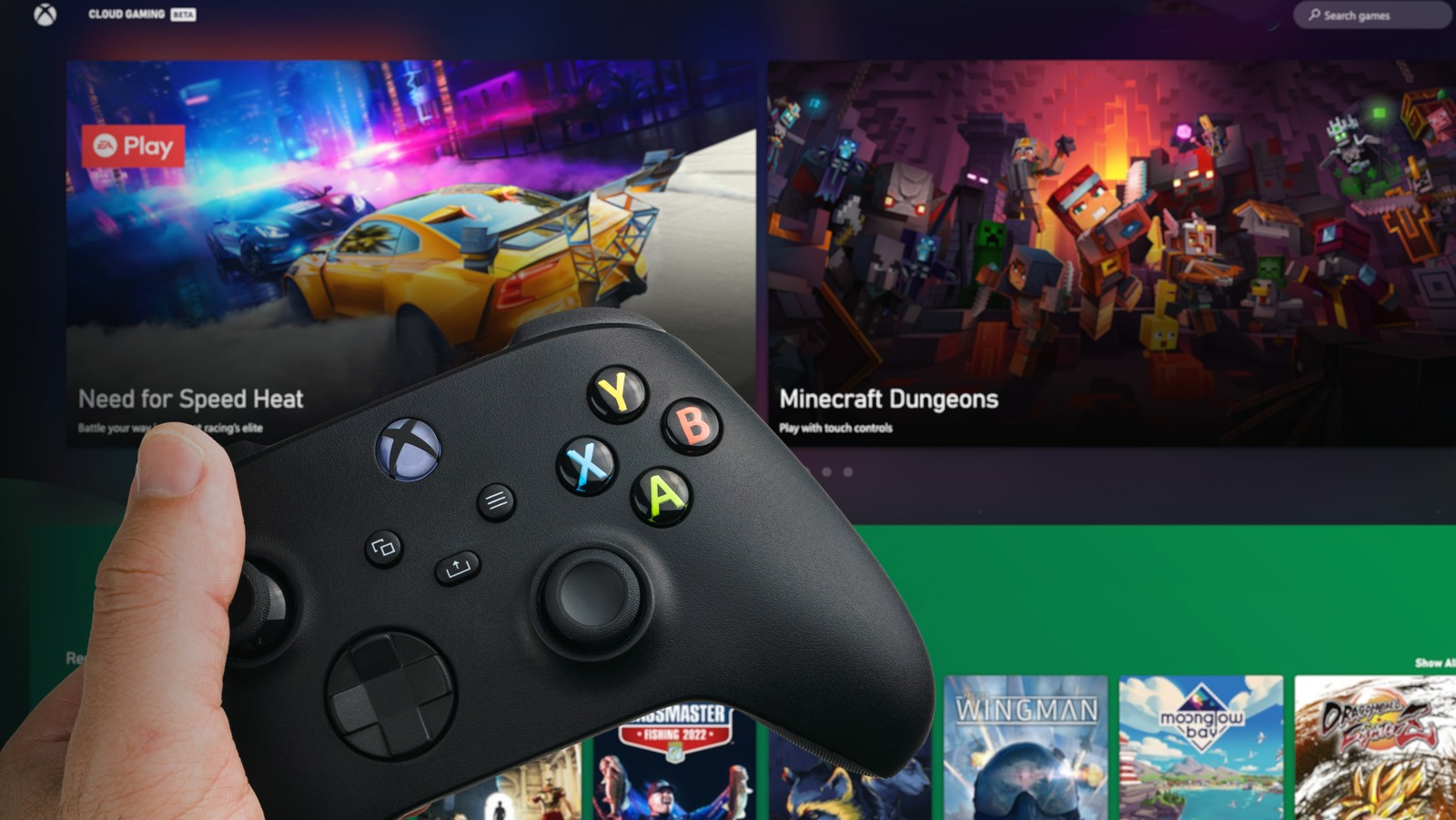
- Ads shown before cloud gaming sessions
- Sponsored tiles or recommendations on dashboards
- Optional ads in exchange for free playtime
- Realistic in-world advertising in select genres
The goal is not interruption—but subsidization.

Why Is Xbox Even Considering Ads Now?
The Rising Cost Crisis in Gaming
The biggest reason is simple: modern gaming is incredibly expensive.
AAA games routinely cost between $150 million and $300 million to develop and market. At the same time:
- Players resist game prices above $70
- Subscription growth is slowing
- Hardware margins are thin
This puts Xbox in a difficult position—especially as Game Pass shifts expectations around value.
Ads offer a familiar solution. Other industries faced the same problem:
- Streaming video added ad tiers
- Music services added free plans
- Mobile gaming normalized ads entirely
Gaming is simply the next frontier.
Subscription Fatigue and the Game Pass Challenge
Game Pass remains one of Xbox’s greatest achievements—but it’s not immune to market realities.
In the US, data shows that many subscribers:
- Join for major releases, then cancel
- Play only one or two games
- Don’t engage consistently month-to-month
This creates unstable revenue.
An ad-supported tier could:
- Capture casual gamers
- Keep lapsed users engaged
- Monetize players who won’t pay monthly
From a business standpoint, it’s a logical extension—not a replacement.
What Could Ad-Supported Xbox Gaming Look Like in the Real World?
Experts expect Xbox to prioritize low-friction, high-acceptance formats.
Most Likely Ad Implementations
- Short ads before cloud gaming starts
- Sponsored discovery sections
- Optional ads for bonus time or rewards
- In-world ads in sports, racing, and city settings
Real-world example:
Sports games already feature real ads—Nike banners, car sponsors, stadium signage. Players accept this because it mirrors reality.
The problem arises only when ads feel forced or artificial.
Why Some Experts Say This Is Smart Innovation
1. It Makes Gaming More Affordable
Gaming is expensive—especially for families.
An ad-supported Xbox tier could:
- Allow kids to play without subscriptions
- Expand access via cloud gaming
- Reduce pressure on household budgets
This matters deeply in the US, where cost-of-living concerns influence entertainment choices.
2. Microsoft Already Has a Mature Ad Business
Unlike many competitors, Microsoft isn’t experimenting blindly.
It already runs large-scale advertising platforms through:
- Bing
- LinkedIn
- Windows
- Enterprise ecosystems
Experts argue Microsoft is uniquely positioned to implement ads with restraint and targeting sophistication, reducing spam-like experiences.
3. It Could Slow Subscription Price Increases
Instead of raising Game Pass prices repeatedly, Xbox could:
- Offer cheaper ad-supported tiers
- Preserve premium ad-free plans
- Let users choose their experience
Choice reduces backlash. Forced monetization creates it.
Why Gamers Fear This Could Be a Massive Mistake
Despite logical arguments, emotional resistance is strong—and justified.
1. Immersion Is Sacred
Gaming is about escape.
Players worry ads could:
- Break emotional moments
- Reduce artistic impact
- Make premium worlds feel cheap
Once immersion is broken, trust is hard to restore.
2. The “Slippery Slope” Fear
Gamers have seen this pattern before:
- Ads start small
- Slowly expand
- Eventually become unavoidable
This happened in mobile gaming and streaming platforms. Players fear console gaming could follow.
3. Brand Trust Is at Risk
Xbox has spent years cultivating a player-friendly reputation.
If ads feel exploitative—even once—that trust could fracture quickly.
How American Gamers Are Likely to Respond
US consumers are value-driven but choice-oriented.
Based on streaming trends:
- Free tiers with ads are accepted
- Paid tiers with ads are rejected
- Transparency improves adoption
If Xbox clearly separates free/ad-supported from paid/ad-free, resistance will drop dramatically.
Could Ads Actually Improve Some Games?
Surprisingly, yes—when aligned with realism.
Where Ads Can Feel Natural
- Sports simulations
- Racing games
- Open-world city environments
In these contexts, ads can enhance authenticity rather than detract from it.
The difference is integration vs intrusion.
What This Means for the Future of Xbox Game Pass
Ad-supported gaming could reshape Game Pass into:
- A free or ultra-cheap tier with ads
- A standard subscription tier
- A premium ad-free experience
This mirrors successful streaming models and allows Xbox to serve multiple audiences without alienating core fans.
How Competitors Would Likely Respond
If Xbox succeeds, others will follow.
Sony and Nintendo currently resist ads—but:
- Development costs affect everyone
- Live-service monetization is already aggressive
- Cloud gaming pressures will grow
Xbox could become the test case for the entire industry.
Key Takeaways: Innovation or Mistake?
Ad-Supported Xbox Gaming Is Smart If
- Ads are optional
- Paid experiences stay ad-free
- Implementation is subtle
- Communication is honest
It Becomes a Massive Mistake If
- Ads interrupt gameplay
- Premium users are affected
- Boundaries erode over time
- Trust is damaged
Execution—not the idea itself—will decide the outcome.

Frequently Asked Questions (Trending in the US)
1. Is Xbox putting ads in games?
Xbox has not confirmed ads in paid games but is exploring ad-supported models.
2. Will Xbox Game Pass include ads?
Possibly in free or lower-cost tiers, not premium plans.
3. Will ads interrupt gameplay?
Experts believe ads would avoid live gameplay interruption.
4. Can players opt out of ads?
Yes, most likely through paid tiers.
5. Why does Xbox need ads now?
Rising development costs and subscription saturation drive diversification.
6. Are ads already on Xbox?
Limited promotional placements already exist in dashboards.
7. Is ad-supported gaming bad for players?
Not if it remains optional and transparent.
8. Will PlayStation or Nintendo follow?
If Xbox succeeds, competitors may explore similar options.
9. Are ads common in gaming today?
Yes—especially in mobile and free-to-play titles.
10. When could ad-supported Xbox gaming launch?
Gradually over the next few years, likely tied to cloud gaming growth.
Final Verdict: A Risky Bet With Massive Potential
Ad-supported Xbox gaming is neither inherently good nor inherently bad.
Handled correctly, it could:
- Lower costs
- Expand access
- Preserve premium experiences
Handled poorly, it could:
- Break immersion
- Erode trust
- Damage Xbox’s brand
This is a high-risk, high-reward gamble.
Whether it becomes smart innovation or a massive mistake depends on one thing above all:
Respect for the player experience.