
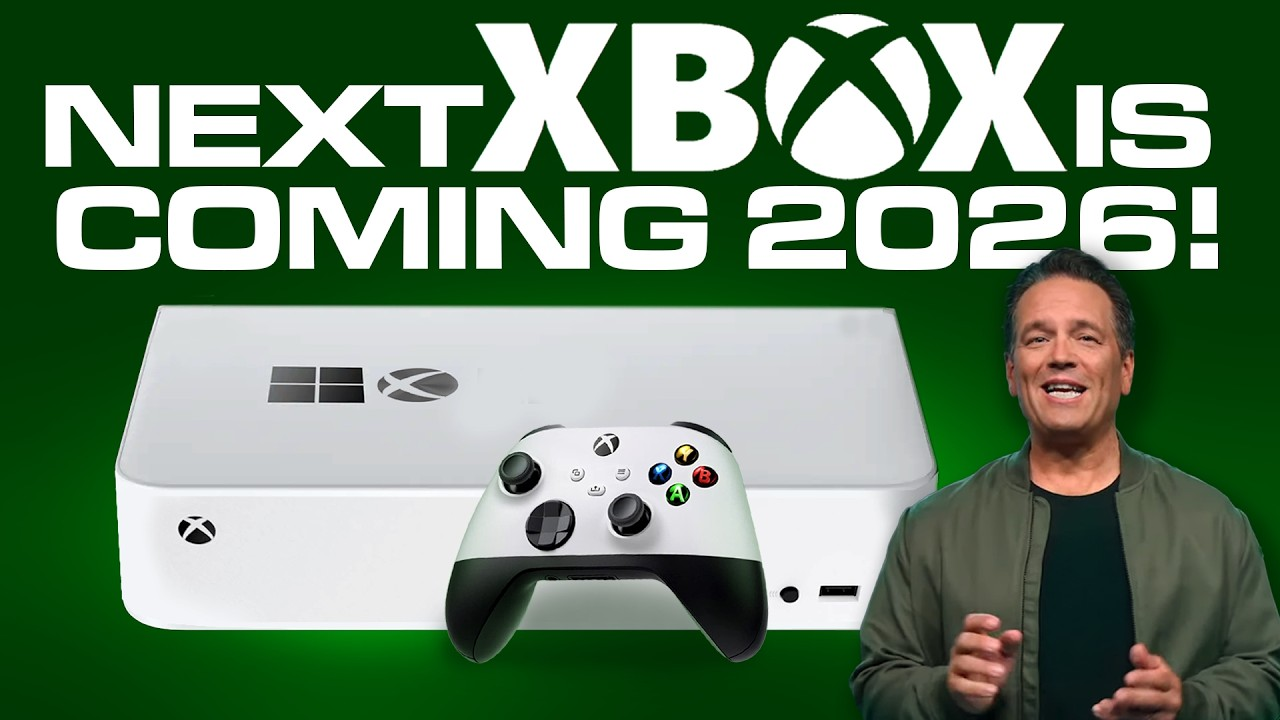
Industry experts increasingly believe Xbox is moving toward a multiplatform future—bringing its games beyond Xbox consoles to PlayStation, Nintendo, PC, and cloud platforms. This shift could reshape console exclusivity, redefine Game Pass, alter how gamers choose hardware, and fundamentally change the economics of gaming. If Xbox fully embraces multiplatform publishing, it may mark the most important turning point in modern gaming history.
Introduction: The Xbox Rumor That Refuses to Die
For decades, the gaming industry has been built on one powerful idea: exclusivity sells hardware.
If you wanted Halo, you bought an Xbox.
If you wanted The Last of Us, you bought a PlayStation.
If you wanted Mario, Nintendo was your only option.
But over the past few years, something unusual has been happening—quietly, deliberately, and in plain sight.
Industry analysts, former executives, developers, and even Microsoft insiders have begun to suggest that Xbox may be preparing to go fully multiplatform. Not as a desperate move. Not as a retreat. But as a strategic evolution.
For gamers in the United States—where Xbox has one of its strongest audiences—this possibility raises major questions:
- Will Xbox exclusives still exist?
- Does buying an Xbox console still make sense?
- Is the console war finally ending?
This article explores why experts believe Xbox could go multiplatform, what forces are driving the shift, and why it matters more than most gamers realize.
What Does “Xbox Going Multiplatform” Actually Mean?
Before jumping to conclusions, it’s critical to define what multiplatform really means in the context of Xbox.
Multiplatform Does NOT Mean
- Xbox consoles are being discontinued
- Microsoft is abandoning Game Pass
- Xbox is “giving up” on gaming
Instead, experts use the term to describe a strategy where Xbox-published games are released across multiple ecosystems, including:
- PlayStation
- Nintendo
- PC storefronts like Steam and Epic
- Cloud platforms and smart devices
Xbox already does this in limited ways. The difference now is scale, intent, and long-term direction.
Why Are Experts Saying Xbox Could Go Multiplatform Now?
Microsoft Is Not a Traditional Console Company
This is the single most important context many gamers overlook.
Sony and Nintendo rely heavily on gaming hardware and exclusive software to survive. Microsoft does not.
Microsoft’s largest revenue streams come from:
- Cloud services (Azure)
- Enterprise software
- AI and productivity tools
Xbox is a strategic pillar—but it is not dependent on selling consoles to exist.
Real-world example:
Microsoft earns billions by selling Office on Apple’s macOS, despite macOS being a competing platform. The company has already proven that software distribution beats hardware loyalty.
Experts believe Xbox is applying the same philosophy to gaming.
The Activision Blizzard Acquisition Changed Everything
Microsoft’s $69 billion acquisition of Activision Blizzard didn’t just add studios—it fundamentally altered Xbox’s role in the industry.
With franchises like:
- Call of Duty
- Diablo
- World of Warcraft
Xbox became one of the largest publishers in gaming history.
During regulatory reviews, Microsoft made public commitments to keep Call of Duty available on PlayStation. While framed as a one-off concession, experts argue it revealed something deeper:
Microsoft sees more value in selling games everywhere than locking them behind hardware.
Once you build multiplatform pipelines at this scale, expanding becomes logical—not risky.
Why Console Exclusivity Is Becoming Harder to Justify
AAA Development Costs Are Exploding
Modern AAA games often cost $150–300 million to produce and market. Limiting those games to a single platform dramatically increases risk.
Exclusivity:
- Shrinks the potential audience
- Delays profitability
- Places pressure on subscription models
Multiplatform publishing:
- Instantly multiplies reach
- Improves revenue stability
- Reduces dependence on hardware sales
For shareholders and executives, the economics increasingly favor expansion over restriction.
Is Xbox Already Testing a Multiplatform Strategy?
Yes—and subtly.
Over the past few years, Xbox has:
- Expanded PC day-one releases
- Softened exclusivity language
- Released more games on non-Xbox platforms
- Emphasized “player choice” in marketing
Executives now use phrases like:
- “Wherever players want to play”
- “Lowering barriers”
- “Meeting gamers where they are”
This is the same language Microsoft used before expanding Office, Teams, and Azure beyond Windows.
What Would a Multiplatform Xbox Actually Look Like?
Experts believe Xbox’s transition would be gradual, not sudden.
Likely Multiplatform Scenarios
- Live-service games launching everywhere
- Older Xbox exclusives arriving on rival consoles
- New IPs debuting multiplatform
- Timed exclusivity replacing permanent exclusivity
Xbox consoles wouldn’t disappear. Instead, they would become one way to access Xbox, not the only way.
Why This Shift Matters So Much to US Gamers
For American gamers, this potential shift could reshape buying habits, budgets, and loyalty.
Potential Benefits
- No need to buy multiple consoles
- Larger multiplayer communities
- Better matchmaking and longevity
- More consumer choice
Potential Downsides
- Fewer reasons to buy Xbox hardware
- Game Pass value could evolve
- Loss of traditional platform identity
This isn’t just about games—it’s about how Americans spend money on entertainment.
How Would Game Pass Change in a Multiplatform World?
Game Pass is the biggest wildcard in Xbox’s future.
Experts believe Game Pass could evolve into:
- A premium access ecosystem
- A cross-platform subscription
- A publisher-focused service
Instead of replacing purchases, Game Pass may emphasize:
- Early access
- Exclusive content
- Discounts and perks
This would mirror how Amazon Prime or Apple Arcade operate across multiple devices.
What Happens to Xbox Consoles If Xbox Goes Multiplatform?
Contrary to popular fear, consoles wouldn’t vanish.
Instead, they’d likely become:
- The best-value Game Pass machines
- Optimized for Xbox cloud features
- Bundled with subscriptions and services
Xbox hardware would shift from mandatory to optional—but attractive.
Why Sony and Nintendo Are Watching Closely
If Xbox fully commits to multiplatform publishing, competitors will feel pressure.
Sony may need to:
- Expand PC and third-party publishing
- Rethink exclusivity timelines
- Strengthen subscription offerings
Nintendo, while uniquely positioned, has already explored mobile and external platforms cautiously.
Xbox’s move could trigger an industry-wide realignment.
Key Reasons Experts Believe Xbox Will Go Multiplatform
- Microsoft’s software-first DNA
- Rising AAA development costs
- Shareholder pressure for growth
- Saturated console market
- Proven success of cross-platform publishing
Individually, these factors matter. Together, they’re powerful.
What Gamers Should Do Right Now
This shift doesn’t require panic—but it does require awareness.
Smart Moves for Gamers
- Avoid ecosystem lock-in
- Choose platforms based on comfort, not fear
- Watch Game Pass changes carefully
- Expect exclusivity to soften over time
The future of gaming favors flexibility.
Frequently Asked Questions (Trending in the US)
1. Is Xbox really going multiplatform?
There’s no official confirmation, but strong industry signals suggest a gradual shift.
2. Will Xbox exclusives disappear completely?
Unlikely. Exclusivity may become timed or selective rather than permanent.
3. Should I still buy an Xbox console?
Yes, especially if you value Game Pass and Xbox ecosystem features.
4. Will Game Pass come to PlayStation?
Not soon, but cross-platform expansion is possible long-term.
5. Is Xbox abandoning hardware?
No. Xbox is redefining the role of hardware, not eliminating it.
6. Why would Xbox help competing platforms?
Because software revenue scales far better than hardware exclusivity.
7. What does this mean for PlayStation owners?
Potential access to more Xbox games without buying new hardware.
8. Is this the end of console wars?
Not entirely—but competition is shifting away from hardware dominance.
9. Will Xbox games cost more on other platforms?
Pricing parity is likely, though variations may exist.
10. When could this transition happen?
Gradually, over the next console generation.
Final Thoughts: Xbox Isn’t Losing—It’s Expanding
Experts don’t believe Xbox is retreating from gaming.
They believe Xbox is outgrowing the traditional console war.
By embracing a multiplatform future, Microsoft isn’t giving up control—it’s gaining reach. For gamers, this could mean fewer barriers, more freedom, and a fundamentally different relationship with gaming ecosystems.
Love it or hate it, one thing is clear:
If Xbox goes multiplatform, the entire gaming industry changes with it.