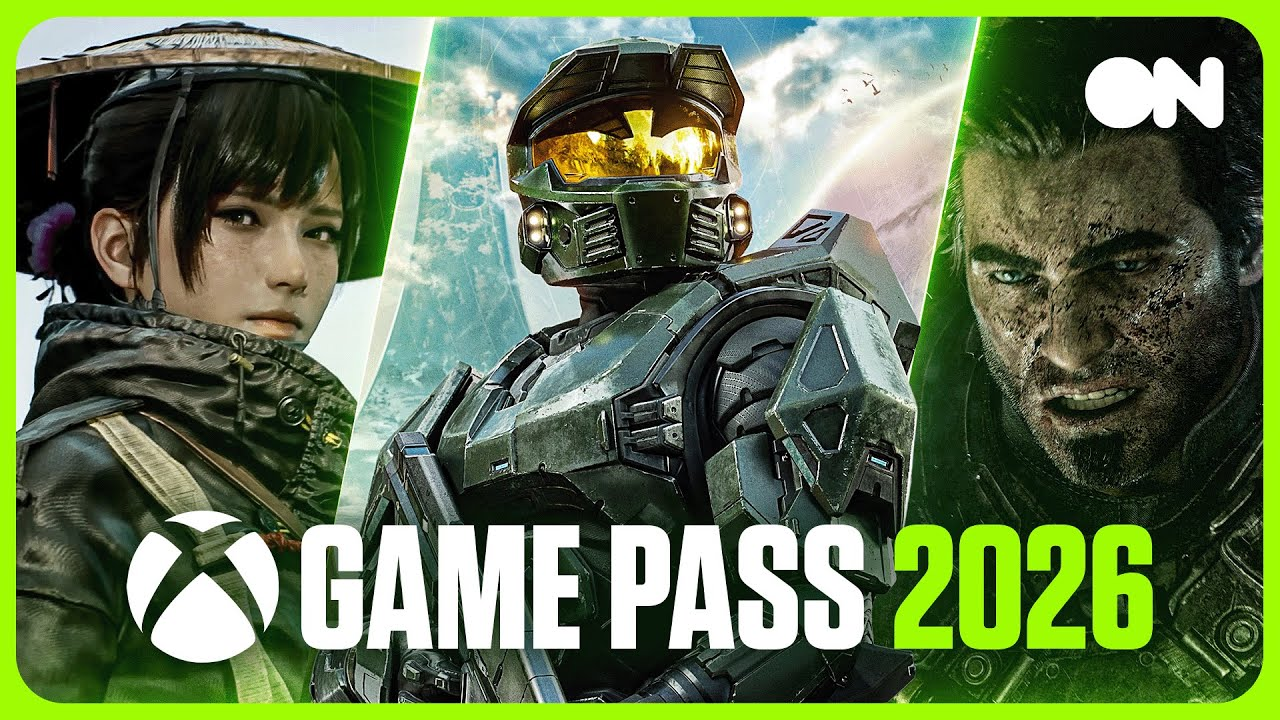
Xbox Game Pass transformed the gaming industry by making high-quality games accessible through a subscription model. However, rising development costs, subscription fatigue, shifting gamer behavior, and smarter competitors are challenging its dominance. As the industry approaches 2026, Xbox faces mounting pressure to evolve Game Pass or risk losing its leadership position in the increasingly competitive subscription gaming market.
Introduction: The Subscription That Changed Gaming—And Why Its Future Is Uncertain
When Xbox Game Pass launched, it felt like the future had arrived early.
For one monthly fee, players gained access to hundreds of games, including major first-party releases on day one. No more $70 risks. No more buyer’s remorse. Just download, play, and move on if it didn’t click. For millions of gamers, especially in the United States, Game Pass quickly became the best deal in entertainment.
But industry revolutions rarely stay uncontested.
As we move toward 2026, the question is no longer whether Xbox Game Pass is valuable—it clearly is. The real question gamers, analysts, and developers are asking is more uncomfortable:
Is the Game Pass model sustainable in the long run, or is Xbox heading toward a strategic breaking point?
This article explores why Xbox could lose its Game Pass crown by 2026, not through failure, but through pressure—from rising costs, changing player habits, smarter competitors, and an industry slowly realizing that unlimited access comes with hidden trade-offs.
What Made Xbox Game Pass So Powerful in the First Place?
To understand why Xbox may struggle in the future, we first need to understand why Game Pass worked so well.
Game Pass arrived at the perfect moment. Game prices were climbing, digital storefronts were overcrowded, and players were tired of spending $60–$70 on games they might abandon after a weekend.
Why Game Pass Felt Revolutionary
- Day-one access to Xbox first-party titles
- Hundreds of downloadable games for one monthly fee
- Integration across Xbox consoles, PC, and cloud
- Strong indie game discovery
- Aggressive free trials and bundle deals
For real people, the impact was immediate. College students could play new releases without blowing their budget. Parents didn’t need to buy a new game every month. PC players suddenly felt included in the Xbox ecosystem.
Game Pass wasn’t just a service—it became Xbox’s identity.
Is Xbox Game Pass Actually Profitable? The Question Gamers Keep Asking
One of the most searched questions in the US gaming community is:
“Is Xbox Game Pass profitable?”
Microsoft has publicly stated that Game Pass is profitable. However, that statement deserves context. Most analysts agree that profitability calculations often exclude massive first-party development costs and long-term opportunity losses from day-one releases.
AAA games now cost $100–300 million to develop and market. When those games launch on Game Pass immediately, Microsoft sacrifices:
- Full-price digital and physical sales
- Collector editions and premium upsells
- Long-tail revenue from late adopters
Instead, Xbox bets on subscription growth to compensate.
That strategy works—until growth slows.
Why Slowing Subscriber Growth Is a Major Red Flag for 2026
In the early years, Game Pass growth was explosive. But by 2024–2025, growth in key markets like the US, UK, and Western Europe began to slow.
This is natural saturation. Most gamers who want Game Pass already have it.
Convincing remaining players is harder because:
- Many are loyal to PlayStation
- Casual gamers don’t play often enough
- Some players prefer owning games
When subscriber growth flattens but development costs keep rising, the math becomes uncomfortable.
By 2026, Xbox may be forced to choose between:
- Raising prices again
- Reducing content spending
- Limiting day-one releases
None of those options are painless.
Rising Subscription Prices and the Risk of Gamer Backlash
Another major pain point is pricing.
Over time, Game Pass has seen:
- Tier restructuring
- Price increases
- Content shifting between plans
While still good value, the psychological impact matters. Many US gamers now treat Game Pass like a utility—something they cancel and resubscribe to when needed.
Common Gamer Sentiments
- “I only subscribe when a big game drops.”
- “I don’t actually play most of the catalog.”
- “It’s cheaper to buy the games I love.”
This behavior, often called subscription cycling, weakens long-term revenue stability. Unlike movies or music, games require long play sessions. Players don’t “binge” five games a week.
If Game Pass becomes something people dip into rather than live inside, Xbox loses one of its strongest advantages.
Has Xbox Lost the Cultural Impact of Exclusives?
Another trending question in the US gaming space is:
“Does Xbox still have must-play exclusives?”
This question didn’t exist during the Xbox 360 era. Today, it’s unavoidable.
Game Pass encourages volume and cadence—steady releases instead of rare blockbusters. While this provides variety, it can also dilute impact.
PlayStation exclusives often feel like cultural moments:
- God of War
- Spider-Man
- The Last of Us
These games dominate conversation, sell consoles, and define generations.
Xbox exclusives, even when good, often feel quieter because they launch as part of a subscription buffet. When everything is available instantly, nothing feels rare.
By 2026, Xbox may need to rethink how it creates excitement—not just content.
How Sony and Competitors Are Learning From Xbox’s Mistakes
Ironically, Xbox’s innovation taught competitors exactly what to avoid.
Sony observed Game Pass and responded cautiously. PlayStation Plus expanded—but without sacrificing premium launches. Games still release at full price before joining subscriptions.
This hybrid approach:
- Preserves perceived game value
- Protects developer revenue
- Keeps subscriptions complementary, not dominant
Other publishers are doing the same. Ubisoft, EA, and indie studios are increasingly exploring direct-to-consumer sales and limited-time subscription deals.
By 2026, Xbox may find itself paying more to secure content while competitors enjoy stronger margins.
Are Developers Growing More Skeptical of Game Pass?
Developer sentiment is shifting.
Early on, Game Pass deals were attractive:
- Guaranteed upfront money
- Massive exposure
- Lower marketing risk
But as the ecosystem matured, some developers noticed downsides:
- Reduced full-price sales on other platforms
- Lower long-term revenue
- Pressure to design for engagement metrics
Several indie developers have publicly stated that Game Pass helped early visibility but became less appealing once they built an audience.
If Microsoft has to pay more for fewer high-quality games, Game Pass economics tighten further.
What Happens If Major Publishers Pull Back?
Game Pass relies on consistent, high-quality content.
If publishers begin to:
- Delay Game Pass releases
- Demand higher fees
- Skip the platform entirely
The catalog risks feeling thinner, even if it remains large.
Gamers don’t subscribe for quantity alone. They subscribe for confidence—the belief that something great is always waiting.
Once that trust fades, cancellations follow quickly.
Is Cloud Gaming a Solution—or a Distraction?
Microsoft often presents cloud gaming as Game Pass’s future. On paper, it’s compelling: play anywhere, no console required.
In reality, adoption remains limited.
Cloud Gaming Challenges
- Internet stability varies widely across the US
- Latency affects competitive and action-heavy games
- Mobile gamers often prefer native experiences
Cloud gaming may succeed long-term, but betting too heavily on it before fixing core issues could weaken Xbox’s position by 2026.
Subscription Fatigue: The Silent Threat No One Talks About
Across entertainment, consumers are experiencing subscription fatigue.
People are paying for:
- Streaming video
- Music
- Fitness apps
- Software tools
Gaming subscriptions now compete with all of them.
When budgets tighten, optional subscriptions are the first to go. Game Pass must fight not just PlayStation—but Netflix, Disney+, and everyday expenses.
Key Reasons Xbox Could Lose Its Game Pass Crown in 2026
Taken together, several forces threaten Xbox’s dominance:
- Slowing subscriber growth in mature markets
- Rising development and licensing costs
- Diminished perceived value of exclusives
- Smarter, more cautious competitors
- Growing player and developer skepticism
None of these alone are fatal. Combined, they create a genuine risk.
What Xbox Must Do to Stay Competitive Beyond 2026
Xbox still has enormous strengths: infrastructure, global reach, and financial backing.
To stay on top, it may need to:
- Focus on fewer, higher-impact exclusives
- Restore a sense of event-based releases
- Offer more flexible subscription options
- Support developers without devaluing games
- Communicate a clearer long-term vision
Game Pass doesn’t need to disappear. It needs to evolve.
Frequently Asked Questions (Trending in the US)
1. Is Xbox Game Pass still worth it in 2025–2026?
Yes for frequent gamers. Casual players may find better value buying individual games.
2. Will Xbox remove day-one releases from Game Pass?
There’s no confirmation, but selective day-one releases are increasingly likely.
3. Is PlayStation Plus better than Game Pass?
It depends. PlayStation focuses on premium launches, Xbox on access and variety.
4. Are Game Pass subscriptions declining?
Growth has slowed in mature markets but remains stable globally.
5. Do developers like Game Pass?
Opinions vary. It helps visibility but may hurt long-term sales.
6. Could Xbox shut down Game Pass?
Extremely unlikely. Evolution is far more probable than shutdown.
7. Will Xbox consoles survive without Game Pass dominance?
Yes. Xbox is diversified across PC, cloud, and services.
8. Is cloud gaming replacing consoles?
Not yet. Consoles remain dominant for performance-focused gamers.
9. Why does Game Pass keep increasing prices?
Rising development and licensing costs drive pricing changes.
10. What does this mean for gamers?
More choice, but also more responsibility to choose wisely.
Final Thoughts: The Crown Is Slipping—But Not Gone
Xbox Game Pass changed gaming forever. That legacy is secure.
But by 2026, dominance will no longer be guaranteed. The industry is maturing, players are more selective, and competitors are adapting fast.
Whether Xbox keeps its crown depends on one thing:
Can Game Pass evolve from a great deal into a sustainable, inspiring ecosystem?
The Game Pass Wars aren’t ending.
They’re entering their most decisive chapter.