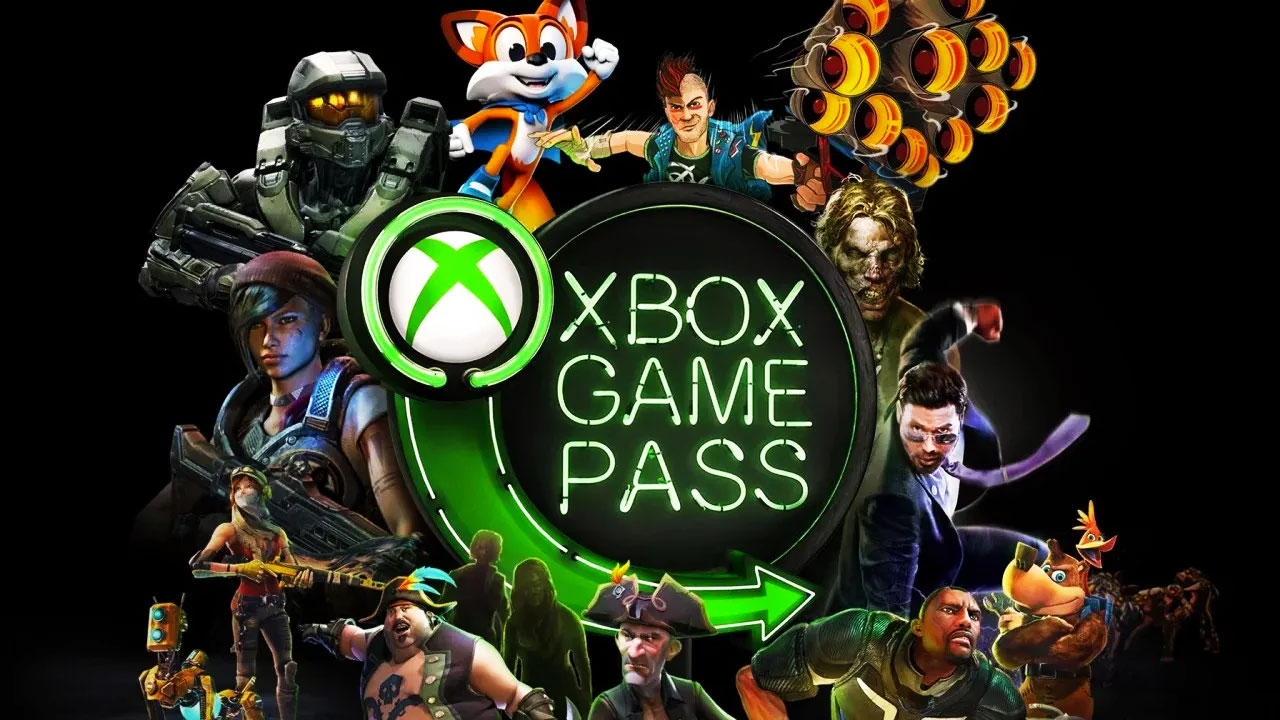
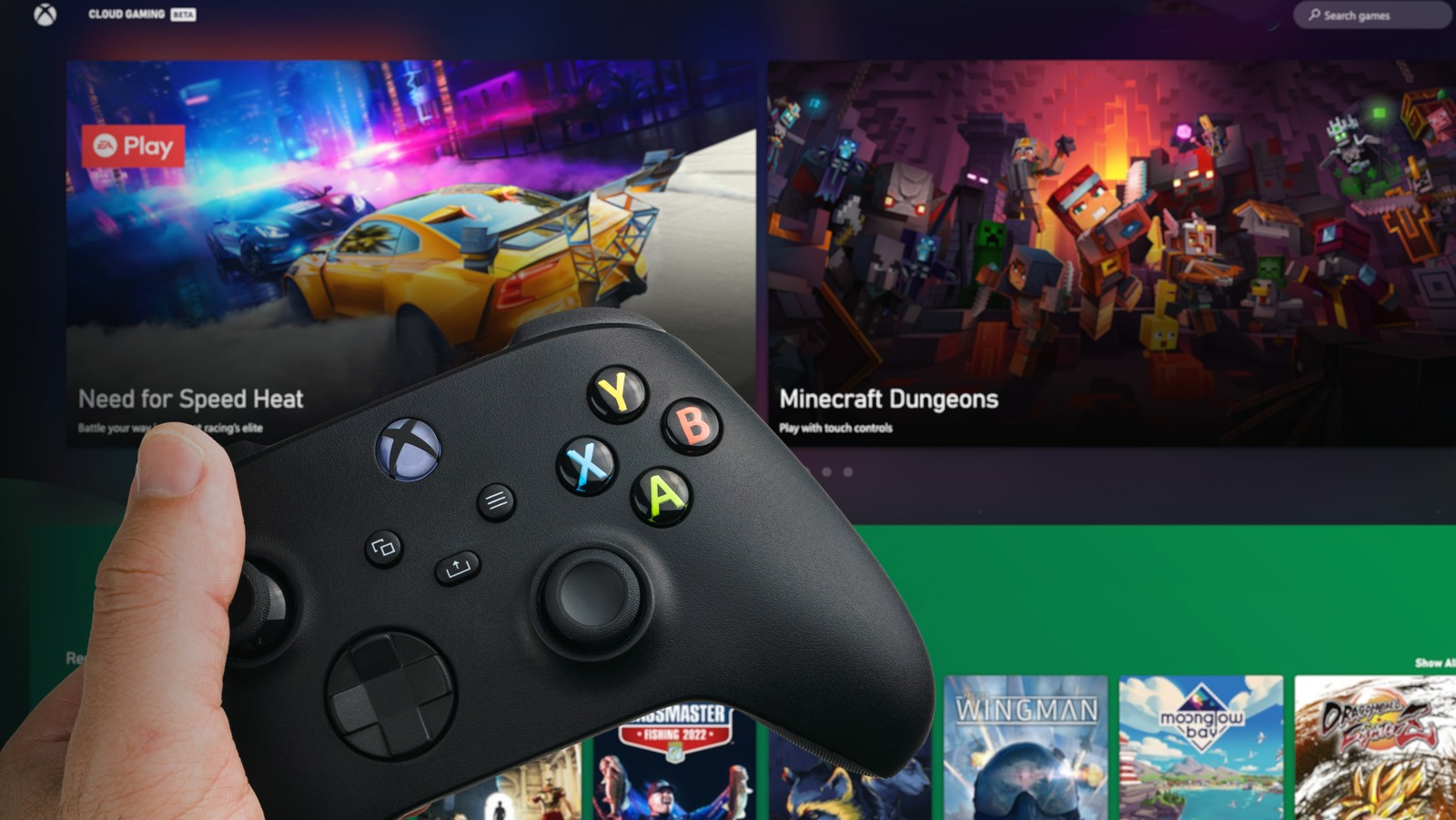
Xbox Cloud Gaming may be on the verge of its biggest transformation yet. A recent leak suggests Microsoft could soon allow players to stream games they already own—without downloads or even a console. If confirmed, this shift could redefine game ownership, accelerate cloud gaming adoption in the U.S., and reshape how millions of Americans access, buy, and play video games.
Introduction: A Quiet Leak With Industry-Shaking Consequences
Most gaming leaks come and go without making a lasting impact. A logo change here, a UI tweak there—interesting, but forgettable. This time is different.
A subtle discovery buried inside Xbox Cloud Gaming’s backend has ignited intense discussion across the gaming industry. Developers, analysts, and everyday players alike are asking the same question:
Is Xbox about to let players stream games they already own?
If the answer is yes, this is not just a feature update. It is a structural shift—one that could change how Americans think about consoles, ownership, subscriptions, and even the future of gaming itself.
For years, cloud gaming has hovered on the edge of mainstream adoption. Promising in theory, frustrating in practice. But this leak suggests Microsoft may have finally found the missing piece that makes cloud gaming feel less like a compromise—and more like an upgrade.
This article explores:
- What exactly leaked from Xbox Cloud Gaming
- Why this feature could change gaming economics
- How it affects U.S. households, families, and casual gamers
- What it means for Game Pass, PlayStation, and Nintendo
- Whether this marks the true beginning of cloud-first gaming
What Exactly Did Xbox Cloud Gaming Leak?
What Was Discovered?
The leak originated from backend references spotted by Xbox insiders and data miners, showing language that strongly suggests support for “purchased titles” within Xbox Cloud Gaming.
Until now, Xbox Cloud Gaming has only supported games available through Xbox Game Pass Ultimate. If a title leaves Game Pass, cloud access disappears—even if you loved the game.
The leaked references imply a future where:
- Digitally purchased Xbox games
- Could be streamed directly from the cloud
- Without needing to download or install anything
That single change alters everything.
Why This Is a Big Deal (Even If It Sounds Small)
On the surface, streaming owned games may sound like a logical next step. But in reality, it breaks one of gaming’s longest-standing rules:
If you want to play, you need the hardware.
For decades, consoles and gaming PCs have been non-negotiable. This leak suggests Microsoft is quietly preparing for a future where access matters more than devices.
How Xbox Cloud Gaming Works Today (And Why That Matters)
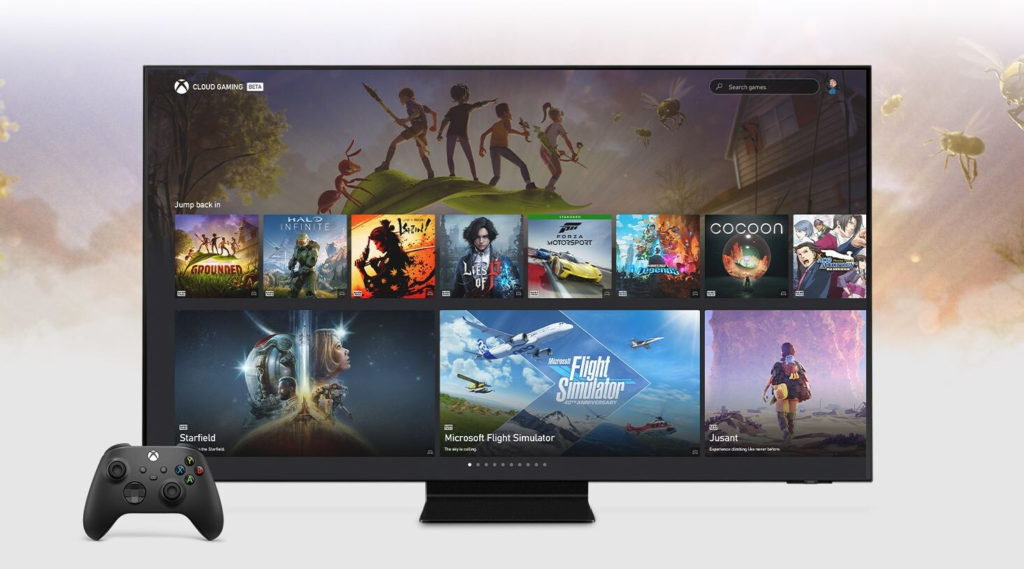
To understand why this leak is so important, it helps to understand how Xbox Cloud Gaming currently works.
Right now:
- You must subscribe to Game Pass Ultimate
- You can only stream select Game Pass titles
- You lose access if a game rotates out
This model limits cloud gaming’s usefulness for many players, especially those who prefer buying games outright.
The leaked feature appears to remove that limitation entirely.
Why Streaming Owned Games Could Change Everything
The End of Mandatory Consoles for Millions of Players
Imagine this real-world scenario:
A college student in California owns several Xbox games digitally. Their Xbox console is back home, hundreds of miles away. Today, those games are effectively inaccessible.
With cloud streaming of owned games:
- They log into their Xbox account
- Open a browser or app
- Start playing instantly
No console. No downloads. No updates.
That’s not just convenient—it’s revolutionary.
A Game-Changer for Families and Shared Households
In many American households:
- One console
- Multiple users
- Limited storage
Parents often deal with:
- Storage warnings
- Long download times
- Kids waiting hours to play
Cloud streaming of owned games eliminates those pain points entirely. Games launch instantly, storage becomes irrelevant, and family game time becomes frictionless.
How This Could Redefine Game Ownership in the U.S.
Why Ownership Still Matters to American Gamers
Despite the rise of subscriptions, U.S. consumers still care deeply about ownership.
Studies on digital media behavior consistently show:
- Americans prefer permanent access
- They distrust access that can disappear overnight
- They value choice over forced subscriptions
Streaming owned games bridges that trust gap.
You’re not renting access.
You’re choosing how to use what you already bought.
That psychological shift is enormous—and cloud gaming has needed it.
What This Means for Xbox Game Pass
Will This Hurt Game Pass? Probably Not.
At first glance, allowing players to stream owned games might seem like a threat to Game Pass. But the opposite is more likely.
Game Pass becomes:
- A discovery platform
- A risk-free trial environment
- A funnel into ownership
A likely future flow looks like this:
- Player streams a Game Pass game
- Enjoys it
- Buys it digitally
- Keeps cloud access permanently
That strengthens, rather than weakens, Microsoft’s ecosystem.
Why Microsoft Is Perfectly Positioned for This Move
Microsoft isn’t just a gaming company—it’s a cloud powerhouse.
Every streamed game:
- Runs on Azure
- Improves infrastructure efficiency
- Feeds performance data back into the system
Sony and Nintendo simply don’t have this level of cloud dominance.
Why PlayStation and Nintendo Should Be Paying Attention
Sony’s Cloud Strategy Looks Limited by Comparison
PlayStation’s cloud gaming efforts still rely heavily on:
- Console integration
- Downloads for many titles
- Premium subscription tiers
If Xbox allows seamless streaming of owned games, Sony may face intense pressure to:
- Rebuild cloud systems
- Renegotiate licenses
- Rethink ownership models
That’s neither cheap nor fast.
Nintendo’s Hardware-First Model Faces New Risks
Nintendo thrives on proprietary hardware. But cloud ownership streaming could:
- Attract younger, mobile-first players
- Reduce reliance on physical consoles
- Challenge Nintendo’s closed ecosystem
Nintendo has experimented with cloud gaming—but not at this scale.
Is Cloud Gaming Finally Ready for the Mainstream?
Why Timing Matters More Than Ever
Cloud gaming struggled in the past due to:
- Poor internet speeds
- High latency
- Inconsistent performance
But conditions in the U.S. have changed dramatically.
According to FCC broadband data:
- Over 85% of U.S. households meet minimum speeds for cloud gaming
- 5G expansion continues nationwide
- Fiber adoption is accelerating
The infrastructure is finally catching up to the vision.
Real-Life Use Case: Console-Quality Gaming Anywhere
Picture this:
You’re at an airport with a Bluetooth controller and your phone. Instead of a simple mobile game, you launch a full AAA Xbox title you already own.
No downloads.
No waiting.
No compromise.
That’s the promise this leak points toward.
Which Games Would Support This First?
Not all games will be eligible immediately.
Most likely early candidates:
- First-party Xbox titles
- Digitally purchased AAA games
- Games already optimized for cloud infrastructure
Games with complex licensing or anti-cheat systems may arrive later.
Potential Risks and Limitations
Ownership Still Lives Inside Microsoft’s Ecosystem
Let’s be realistic:
Cloud access still depends on:
- Microsoft servers
- Licensing agreements
- Xbox account status
This is digital ownership—not physical permanence.
Internet Quality Still Matters
Players in rural or unstable network areas may still prefer downloads. Cloud gaming expands options—it doesn’t eliminate alternatives.
What This Means for Developers and Publishers
Lower Barriers, Bigger Audiences
For developers, this shift means:
- More players can access games instantly
- Fewer hardware barriers
- Longer tail sales
Indie developers, in particular, stand to benefit.
Monetization Could Improve, Not Decline
History shows that accessibility increases revenue. Easier access often leads to:
- Higher engagement
- More impulse purchases
- Reduced piracy
Cloud ownership could be a win-win.
Key Takeaways: Why This Leak Matters So Much
- Xbox may allow streaming of owned games
- Consoles may become optional for many players
- Game Pass becomes a stronger discovery engine
- Microsoft’s cloud advantage grows
- Sony and Nintendo face strategic pressure
- Cloud gaming finally feels practical
Frequently Asked Questions (Top U.S. Search Queries)
1. Is Xbox Cloud Gaming adding streaming for owned games?
Leaks strongly suggest Microsoft is testing this feature, though no official confirmation yet.
2. When will Xbox allow streaming purchased games?
There is no official release date, but insiders believe a phased rollout is likely.
3. Do I need Game Pass to stream owned games?
If the leak is accurate, owned games may not require Game Pass—but details are pending.
4. Can I play Xbox games without a console?
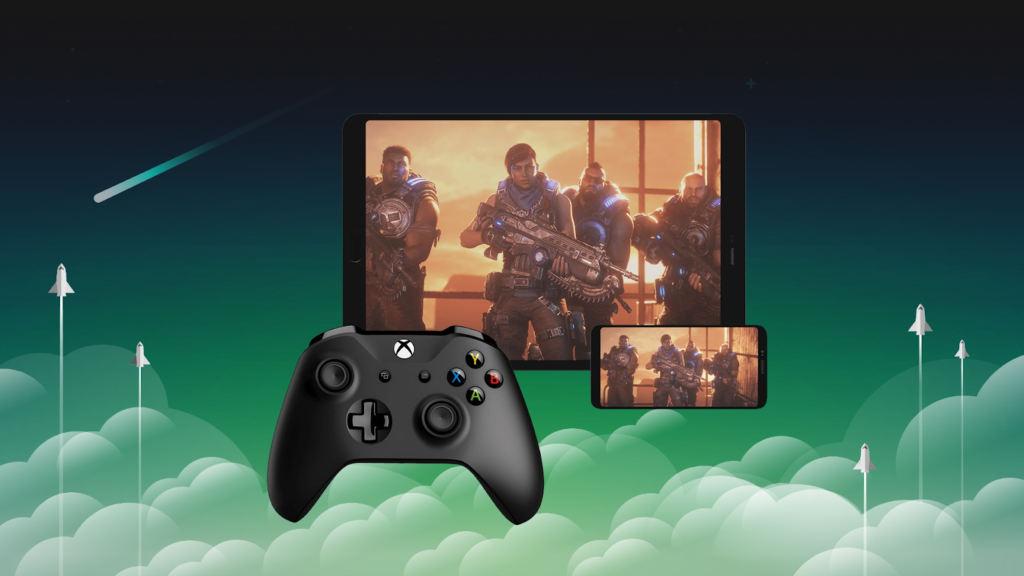
Yes, cloud gaming allows play on phones, PCs, tablets, and some smart TVs.
5. Will cloud gaming replace Xbox consoles?
No. Consoles will remain important, but cloud gaming expands choice.
6. Is Xbox Cloud Gaming reliable in the U.S.?
For most users with broadband or 5G, performance is increasingly stable.
7. How does this compare to PlayStation cloud gaming?
Xbox’s model appears more flexible and ownership-focused.
8. Will this increase game prices?
Unlikely. Accessibility usually boosts sales without raising prices.
9. Can I use a controller with cloud gaming?
Yes, Bluetooth controllers are widely supported.
10. Is this the future of gaming?
Many analysts believe cloud access plus ownership is the most sustainable model.
Final Verdict: A Small Leak Pointing to a Massive Shift
If this leak becomes reality, Xbox Cloud Gaming won’t just improve—it will fundamentally change.
By removing hardware barriers while preserving ownership, Microsoft may have solved the biggest problem cloud gaming ever faced: trust.
And when trust meets convenience, adoption follows.
This isn’t just an Xbox update.
It may be the beginning of gaming’s next era.