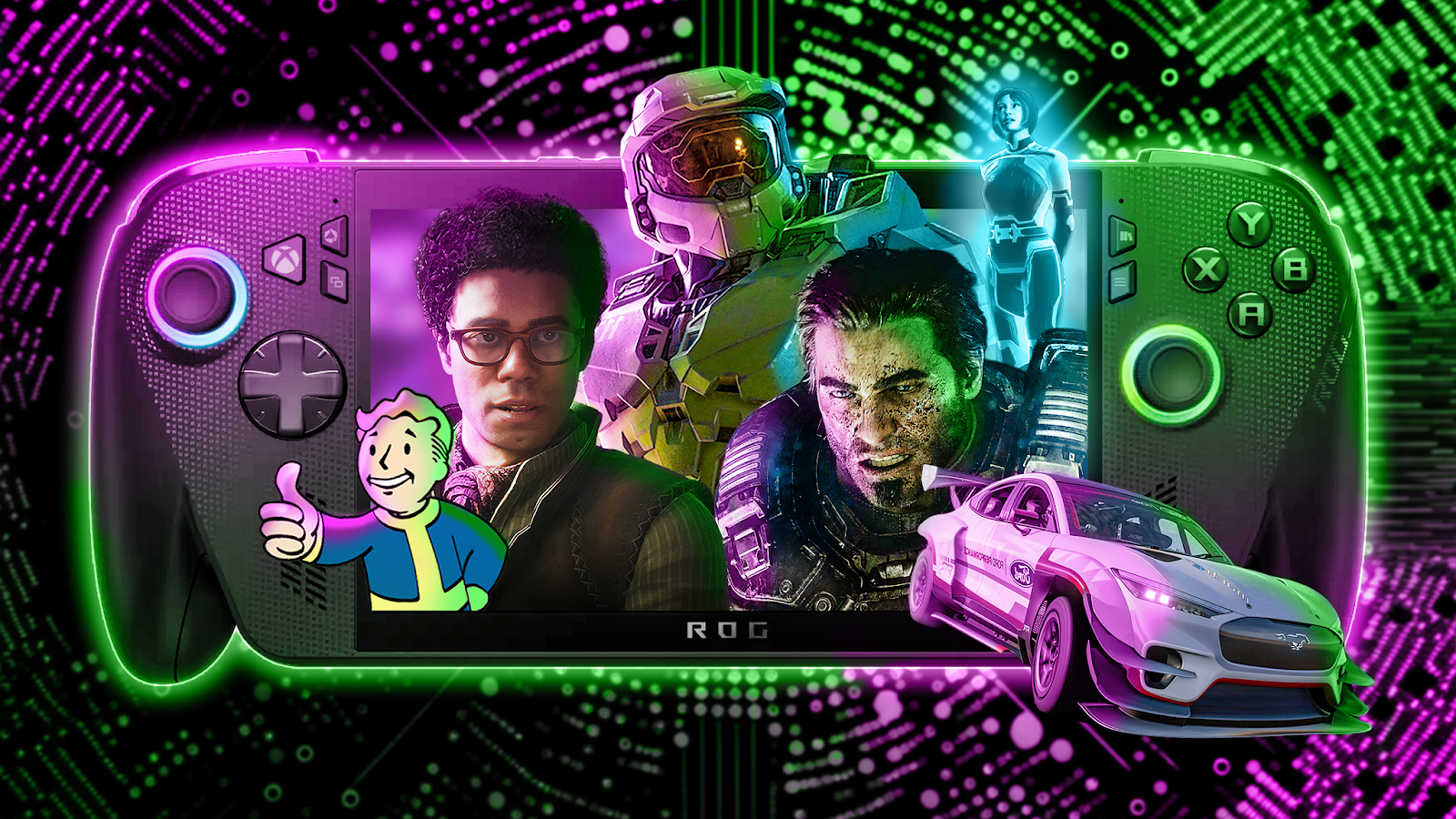
Rumored changes to Xbox—including Game Pass restructuring, potential ad-supported tiers, and a stronger push toward cloud gaming—have leaked online, igniting backlash across the gaming community. While Microsoft has not officially confirmed most details, the reaction highlights growing player anxiety around pricing, ownership, and trust. This in-depth analysis explains what leaked, why fans are angry, and what could happen next.
Introduction: Why Xbox Fans Suddenly Feel Betrayed
Xbox fans are no strangers to rumors. Every year brings speculation about new consoles, Game Pass additions, surprise acquisitions, and cloud gaming upgrades. Most of these rumors create excitement, not anger.
This time is different.
Over the past few weeks, a wave of rumored Xbox changes leaked online, and instead of hype, they triggered something closer to outrage. Longtime Xbox supporters—some who defended the brand for years—are now openly questioning Microsoft’s direction. Social media platforms filled with posts accusing Xbox of “abandoning its core fans” or “becoming just another subscription company.”
What makes this backlash especially intense is not just what allegedly leaked—but what it represents.
For many American gamers, Xbox was the platform that rebuilt trust after the Xbox One era by promising:
- Consumer-friendly policies
- Clear value through Game Pass
- Flexibility across devices
- Respect for player choice
These rumors, taken together, suggest a future that feels very different.
What Actually Leaked About Xbox?
Not One Leak—But a Pattern
Unlike a single document or announcement, these rumors surfaced gradually:
- Data-mined references inside Xbox backend systems
- Insider commentary from industry reporters
- Leaked slides allegedly tied to internal planning
- Ambiguous executive quotes interpreted as signals
On their own, none of these would have caused a meltdown. Together, they painted a troubling picture for many players.
The Four Rumored Changes Driving Anger
Most of the outrage centers around four themes:
- Game Pass pricing and tier restructuring
- Ad-supported or limited-access experiences
- Cloud-first gaming becoming the default
- Reduced emphasis on traditional console ownership
Each one touches a sensitive nerve—but combined, they feel like a fundamental shift.
Why Are Xbox Players So Angry Right Now?
This Isn’t Just About Money
It would be easy to say players are upset about price increases. That’s only part of the story.
The deeper issue is trust.
Xbox spent nearly a decade rebuilding its reputation after the disastrous Xbox One launch. Game Pass became the symbol of that redemption—a service that felt generous, transparent, and genuinely pro-consumer.
The rumored changes feel, to many players, like a quiet reversal of that philosophy.
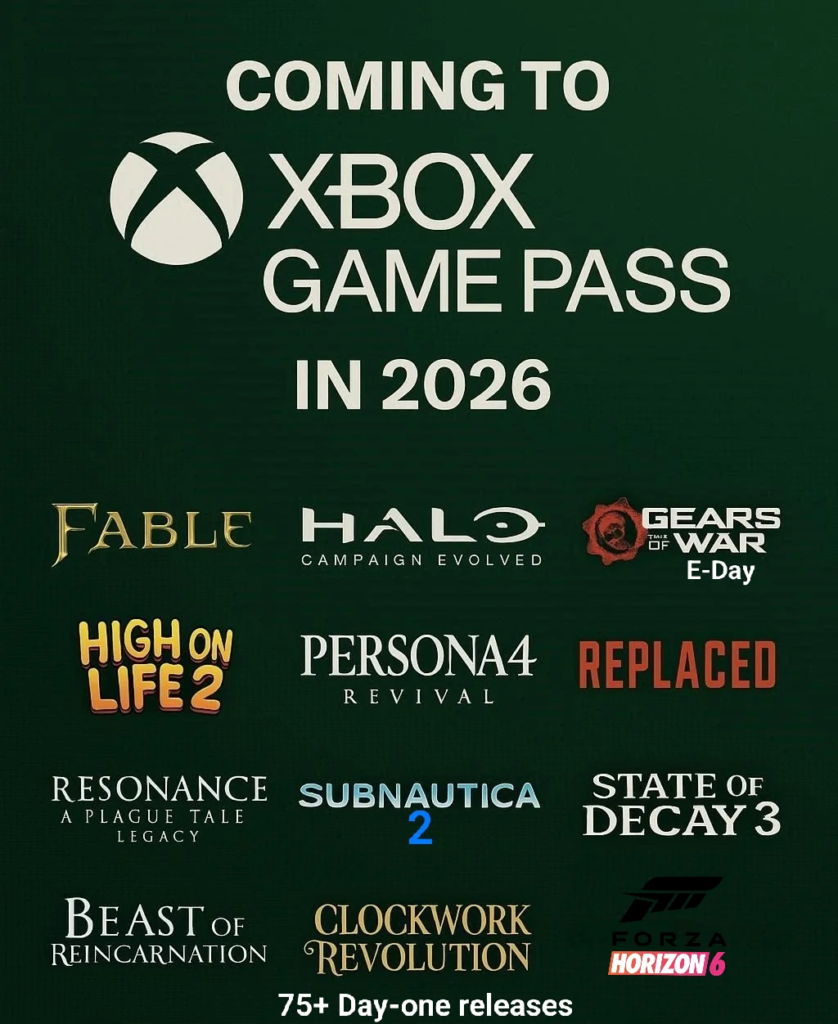
Rumor #1: Major Xbox Game Pass Changes Are Coming
What Players Believe Is Being Planned
According to leaks and insider chatter, Microsoft may be considering:
- Additional Game Pass tiers with fewer features
- Higher pricing for full access
- Popular games locked behind premium plans
For players already paying $16.99 per month for Game Pass Ultimate in the U.S., this feels like the beginning of fragmentation.
Why This Feels Like a Breaking Point
Game Pass worked because it was:
- Simple
- Predictable
- Easy to recommend
Once tiers multiply and restrictions appear, the value proposition becomes harder to defend—especially for families and casual players.
Rumor #2: Ad-Supported Xbox Experiences
Where This Idea Came From
Microsoft has previously acknowledged testing ad-supported cloud gaming experiences in limited contexts. Recent leaks suggest this idea may expand into:
- Ads before launching games
- Cheaper Game Pass tiers with advertising
- Sponsored placements on Xbox dashboards
Nothing has been officially confirmed—but the reaction has been fierce.
Why Gamers Hate the Idea of Ads
Gaming is immersive. Ads break immersion.
Players fear:
- A slippery slope toward intrusive monetization
- Data tracking concerns
- Gaming becoming more like cable TV
Even if ads never appear during gameplay, the idea alone feels like crossing a line.
Rumor #3: Is Xbox Moving Away From Consoles?
The “Cloud-Only Future” Fear
Another rumor fueling anger is the idea that Microsoft may:
- Prioritize cloud gaming over hardware
- Treat consoles as optional accessories
- Push players toward streaming-only access
While cloud gaming has improved, many American gamers still:
- Prefer offline play
- Live in areas with inconsistent internet
- Value hardware ownership
The fear isn’t cloud gaming—it’s being forced into it.
Real-World Example: Lessons From Streaming Services
Why Gamers Are Nervous
Players don’t need to imagine how this might go wrong—they’ve seen it before.
Streaming services promised:
- Low prices
- Massive libraries
- No ads
Over time:
- Prices increased
- Content rotated aggressively
- Ads became normalized
Gamers see the same pattern emerging—and worry Xbox is following it.
Rumor #4: What Happens to Purchased Games?
The Ownership Anxiety
Some leaks suggest Xbox may further emphasize:
- Subscription access over ownership
- Cloud-based licenses
- Reduced importance of permanent purchases
Microsoft has not indicated that purchased games will disappear. But players fear a future where ownership feels increasingly symbolic.
For gamers who grew up owning discs and digital libraries, this shift feels unsettling.
How Much of This Is Actually Confirmed?
Separating Fact From Speculation
It’s important to be clear:
- Microsoft has not officially confirmed most of these rumors
- Some leaks likely represent internal testing, not final plans
- Online discussions often exaggerate worst-case scenarios
However, Microsoft’s lack of clear communication has allowed speculation to spiral.
Why Silence Is Making Everything Worse
The Modern Communication Problem
In today’s gaming ecosystem:
- Silence is interpreted as confirmation
- Rumors spread faster than corrections
- Emotional reactions dominate
A simple clarification from Xbox could calm the situation—but so far, that hasn’t happened.
The Bigger Industry Context Xbox Is Operating In
Gaming Is Becoming More Expensive
AAA game development costs have skyrocketed. Industry estimates frequently place major titles above $150–200 million in combined development and marketing.
Subscriptions, ads, and cloud gaming are often positioned as solutions—but players worry they’re being asked to absorb the cost.
Why Casual Gamers and Families Are Especially Concerned
Budget Predictability Matters
For many U.S. households:
- Game Pass replaced buying individual games
- Costs were easy to manage
- Value felt clear
Rumored changes threaten that simplicity.
Parents worry about:
- Ads shown to kids
- Games disappearing mid-play
- Unexpected paywalls
Hardcore Gamers Have Different—but Equally Strong—Concerns
For dedicated players, the fear is less about cost and more about:
- Loss of ownership
- Reduced control
- Platform dependency
They worry Xbox is slowly becoming a closed ecosystem where players adapt—or leave.
Can Player Backlash Actually Change Xbox’s Direction?
History Suggests Yes
Xbox has reversed course before:
- Always-online requirements
- DRM restrictions
- Feature limitations
When community backlash is loud, unified, and persistent, Microsoft has shown it will listen.
What Xbox Needs to Do to Rebuild Confidence
From an EEAT and trust perspective, Microsoft should:
- Clearly distinguish rumors from confirmed plans
- Explain long-term strategy honestly
- Reassure players about ownership
- Avoid sudden, sweeping changes
Trust, once shaken, takes time to rebuild.
What Players Should Do Right Now
Practical Advice for Xbox Users
- Don’t panic or cancel subscriptions impulsively
- Follow official Xbox channels—not just leaks
- Voice concerns respectfully and clearly
- Avoid assuming rumors are final decisions
Informed feedback is more effective than outrage alone.
Key Takeaways From the Backlash
- Xbox rumors triggered anger because they challenge trust
- Game Pass, ads, cloud gaming, and ownership are core concerns
- Most changes are unconfirmed—but silence fuels fear
- Community response may influence final decisions
- This moment could define Xbox’s next chapter
Frequently Asked Questions (Top U.S. Search Queries)
1. What Xbox changes were leaked online?
Rumors include Game Pass restructuring, ads, cloud-first gaming, and pricing changes.
2. Are these Xbox rumors confirmed?
No. Most remain unconfirmed and speculative.
3. Is Xbox raising Game Pass prices again?
There is no official confirmation, though tier changes are rumored.
4. Will Xbox add ads to games?
No confirmed plans exist; discussion centers on ads outside gameplay.
5. Is Xbox abandoning consoles?
No official statement supports this, though cloud gaming is expanding.
6. Are purchased Xbox games at risk?
There is no evidence purchased games will be removed.
7. Why are players so angry?
Because rumors threaten affordability, ownership, and trust.
8. Has Microsoft responded to the backlash?
So far, Microsoft has largely remained silent.
9. Can backlash change Xbox’s plans?
Historically, yes—when feedback is strong and unified.
10. Should I cancel Game Pass now?
Experts recommend waiting for official announcements.
Final Verdict: A Critical Moment for Xbox
Xbox players aren’t furious because of one leak—they’re angry because multiple rumors suggest a future that feels less consumer-friendly than the one Xbox promised.
Whether these changes happen or not, the reaction sends a clear message:
Xbox’s audience values transparency, affordability, ownership, and respect.
How Microsoft responds in the coming months may determine whether this is a temporary storm—or the beginning of a deeper divide.